Food & safety
What certificate is mandatory for selling food in the UK?
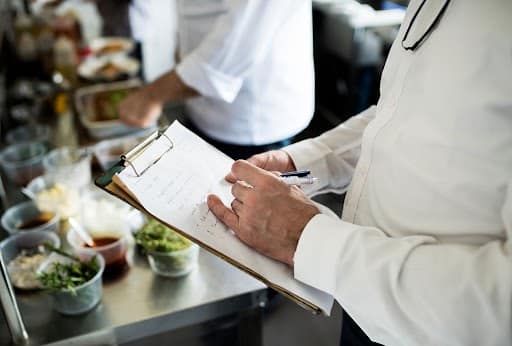


Starting a food business can feel like navigating a maze of red tape, but with the right roadmap, the process is straightforward and rewarding. It's important to understand which steps are mandatory, which certificates and licences you need, and in what order you need to tick them off your list.
Whether you're launching a high-street bistro or a home-based sweet shop, we’ve outlined the essential steps to get you trading safely, legally, and successfully.
Before you flip your first burger or bake your first loaf, you must make it official.
The Rule: If you are starting a new food business or taking over an existing one, you must register online with your local authority at least 28 days before you start trading.
Registration does not involve a certificate or a licence, but it is mandatory. Registration connects you with your local authority's food safety team and Environmental Health Officers (EHOs). Think of them as partners rather than inspectors; they can be a valuable source of support and professional advice during your setup phase.
Who needs to register? You must register your business if you sell, cook, store, handle, prepare, or distribute food. This includes:
Restaurants, cafés, takeaways, and mobile food vans.
Home-based catering, B&Bs, and temporary food stalls or pop-ups.
Nurseries, schools, and care homes.
Online food businesses, mail order, and delivery services, including take-aways, cakes, sweets and chocolates.
Once you're registered, you'll be on the list for an EHO inspection, after which you'll be awarded your food hygiene rating. You don't have to wait for inspection to start trading - but you do need to be prepared as the visit could be unannounced. Take a look at our free 'How to get a 5-star rating' course for advice on how to ace your inspection!
Once you have your rating, if you are in Northern Ireland or Wales, you are legally required to display it clearly to customers. In England and Scotland, displaying your rating is not mandatory, but it is encouraged by the FSA / FSS.
Business Setup Basics: Beyond food safety, you must register your business entity. Check the UK Government website, Business Wales, or NI Business Info for guidance on setting up as a sole trader or limited company. If you are setting up as a street trader, you will also need to check with your local authority for information about street-trading permits. And don't forget business insurance too.
Your workspace must be designed for safety. An EHO will look for evidence that your premises allow you to prepare food without risk of contamination.
Core Requirements (or Prerequisites):
Cleanliness & Repair: Premises must be easy to clean, in good repair, and strictly pest-proof.
Surfaces & Ventilation: Walls, ceilings, and work surfaces should be smooth, washable, and non-toxic (no peeling paint or flaking plaster). Adequate light and ventilation are essential to prevent steam and grease build-up.
Hygiene Facilities: You must have separate handwashing basins with hot and cold running water, soap, and hygienic drying methods.
Waste Management: You need a dedicated, secure area for waste disposal that does not attract pests or contaminate food preparation areas.
For a full checklist, visit the FSA’s Setting up a Food Business page.
As a Food Business Operator (FBO), your fundamental legal responsibility is ensuring that the food you serve is safe to eat. Once your premises and facilities are in place and allow you to produce food safely, you must undertake a risk assessment that considers all the potential risks to food safety that could happen throughout the food production process. Your HACCP plan does not lead to a certificate or licence, but it is a legal requirement, and your EHO is likely to review it with you when they carry out their inspection.
There are 4 main hazards that need to be considered when producing food. These are:
The HACCP plan is a seven step plan that provides a structure in your business, helping you to:
We are often asked if a food hygiene certificate is mandatory to sell food. The surprising answer is no - not exactly. By law, people handling food for public consumption must be trained or supervised to a level appropriate for their role. This means that for a large organisation, an internal training and supervision programme may be more efficient for their business. However, in general, most food businesses find the consistency and cost effectiveness of external training providers works best.
So, what training is appropriate for which role?
Level 2 Food Hygiene & Allergen Training: Fundamental training for all food handlers.
Level 3 Food Hygiene: Suitable for managers, owners, and supervisors.
Pro Tip: When choosing a training provider, ask for a syllabus sample. A reputable provider, like The Safer Food Group, will ensure the material is engaging, accredited, and relevant to your specific sector.
The list of requirements might seem daunting, but you aren't alone. Your local Environmental Health Officer is there to help you operate safely and legally. By following these steps and maintaining a rigorous safety culture, you’ll be well on your way to earning that "all-important" 5-star Food Hygiene Rating.
Starting a food business can feel like navigating a maze of red tape, but with the right roadmap, the process is straightforward and rewarding. It's important to understand which steps are mandatory, which certificates and licences you need, and in what order you need to tick them off your list.
Whether you're launching a high-street bistro or a home-based sweet shop, we’ve outlined the essential steps to get you trading safely, legally, and successfully.
Before you flip your first burger or bake your first loaf, you must make it official.
The Rule: If you are starting a new food business or taking over an existing one, you must register online with your local authority at least 28 days before you start trading.
Registration does not involve a certificate or a licence, but it is mandatory. Registration connects you with your local authority's food safety team and Environmental Health Officers (EHOs). Think of them as partners rather than inspectors; they can be a valuable source of support and professional advice during your setup phase.
Who needs to register? You must register your business if you sell, cook, store, handle, prepare, or distribute food. This includes:
Restaurants, cafés, takeaways, and mobile food vans.
Home-based catering, B&Bs, and temporary food stalls or pop-ups.
Nurseries, schools, and care homes.
Online food businesses, mail order, and delivery services, including take-aways, cakes, sweets and chocolates.
Once you're registered, you'll be on the list for an EHO inspection, after which you'll be awarded your food hygiene rating. You don't have to wait for inspection to start trading - but you do need to be prepared as the visit could be unannounced. Take a look at our free 'How to get a 5-star rating' course for advice on how to ace your inspection!
Once you have your rating, if you are in Northern Ireland or Wales, you are legally required to display it clearly to customers. In England and Scotland, displaying your rating is not mandatory, but it is encouraged by the FSA / FSS.
Business Setup Basics: Beyond food safety, you must register your business entity. Check the UK Government website, Business Wales, or NI Business Info for guidance on setting up as a sole trader or limited company. If you are setting up as a street trader, you will also need to check with your local authority for information about street-trading permits. And don't forget business insurance too.
Your workspace must be designed for safety. An EHO will look for evidence that your premises allow you to prepare food without risk of contamination.
Core Requirements (or Prerequisites):
Cleanliness & Repair: Premises must be easy to clean, in good repair, and strictly pest-proof.
Surfaces & Ventilation: Walls, ceilings, and work surfaces should be smooth, washable, and non-toxic (no peeling paint or flaking plaster). Adequate light and ventilation are essential to prevent steam and grease build-up.
Hygiene Facilities: You must have separate handwashing basins with hot and cold running water, soap, and hygienic drying methods.
Waste Management: You need a dedicated, secure area for waste disposal that does not attract pests or contaminate food preparation areas.
For a full checklist, visit the FSA’s Setting up a Food Business page.
As a Food Business Operator (FBO), your fundamental legal responsibility is ensuring that the food you serve is safe to eat. Once your premises and facilities are in place and allow you to produce food safely, you must undertake a risk assessment that considers all the potential risks to food safety that could happen throughout the food production process. Your HACCP plan does not lead to a certificate or licence, but it is a legal requirement, and your EHO is likely to review it with you when they carry out their inspection.
There are 4 main hazards that need to be considered when producing food. These are:
The HACCP plan is a seven step plan that provides a structure in your business, helping you to:
We are often asked if a food hygiene certificate is mandatory to sell food. The surprising answer is no - not exactly. By law, people handling food for public consumption must be trained or supervised to a level appropriate for their role. This means that for a large organisation, an internal training and supervision programme may be more efficient for their business. However, in general, most food businesses find the consistency and cost effectiveness of external training providers works best.
So, what training is appropriate for which role?
Level 2 Food Hygiene & Allergen Training: Fundamental training for all food handlers.
Level 3 Food Hygiene: Suitable for managers, owners, and supervisors.
Pro Tip: When choosing a training provider, ask for a syllabus sample. A reputable provider, like The Safer Food Group, will ensure the material is engaging, accredited, and relevant to your specific sector.
The list of requirements might seem daunting, but you aren't alone. Your local Environmental Health Officer is there to help you operate safely and legally. By following these steps and maintaining a rigorous safety culture, you’ll be well on your way to earning that "all-important" 5-star Food Hygiene Rating.
Join 950,000+ learners
Explore our award winning online video based training
The Safer Food Group
Unit 2, Integrity House,
Lower Lumsdale, Matlock
DE4 5EX

Back
to top
© The Safer Food Group 2026 | Privacy policy