Food & safety
Why Your Suppliers Are the Secret to Stress-Free Service
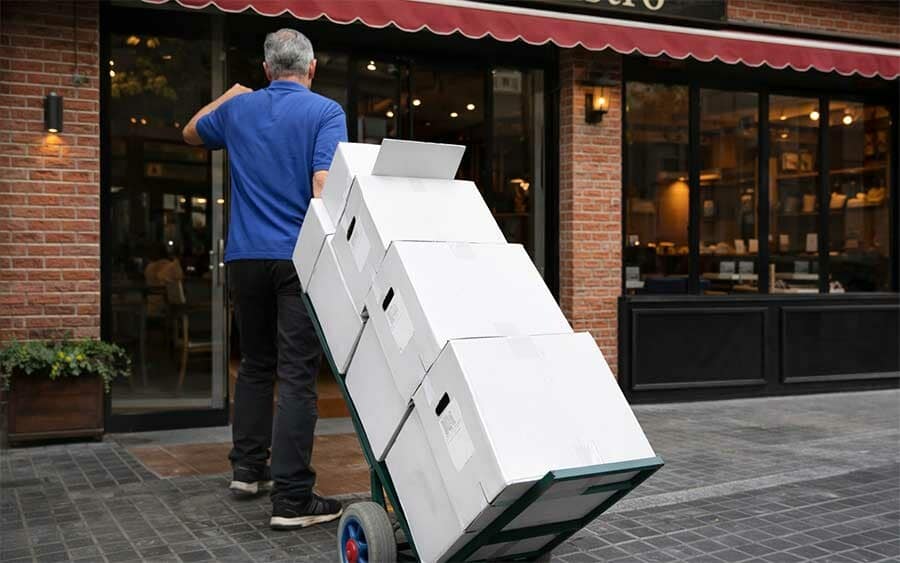


When you run a food business, it’s easy to focus on what happens inside your four walls. You worry about the cooking, the cleaning, and the service. But running a safe food business actually starts miles away, in the production facilities, warehouses and delivery vans of your suppliers.
A great supplier is an integral part of your business - and in the same way, a poor supplier can cause irreparable damage. Here is why a good supply chain is the secret to a safe, successful business.
Under UK food law, the responsibility for food safety rests squarely with the Food Business Operator (FBO). However, a robust supply chain provides you with a Due Diligence defence.
Many hospitality businesses deal with high-risk chilled and frozen foods. The supply chain is where the most significant risks—and the most frequent failures—occur.
Managing allergens is a key concern of all responsible food businesses. However, your processes will only be reliable if you have accurate information from your supplier.
Accuracy: You need to know exactly what is in every sauce, spice mix, and bread roll. A good supplier provides full ingredient lists that are easy to read and always up to date.
Increasingly our customers want to buy sustainably and ethically. Companies who rely on tenders and contracts, especially those in the public sector are often asked to prove their ethical credentials, starting right at the beginning of the process with their ingredients supply.
Reduced Emissions: Many businesses are now required to report on their carbon footprint, which includes the transport and production methods of their suppliers.
Food Fraud Prevention: High-value items like olive oil, honey, and fish are frequent targets for food fraud. A transparent supply chain uses audits and DNA testing to ensure that what is on the invoice is exactly what is in the kitchen.
Customers return because they love your "signature dish." If your supplier changes and suddenly your steaks are tough or your flour is different, your customers will notice. A solid supply chain gives you the same quality every Tuesday, Friday, and Sunday. This consistency is what builds a loyal following.
To ensure your supply chain is up to standard, your management team should conduct a formal review of all key partners using these criteria:
Accreditation Verification: Do they hold a recognised food safety certification?
Delivery Standards: Do they provide "clean" deliveries? (e.g., no raw meat stored above fresh produce in the van).
Communication Protocol: Who is your 24/7 contact for emergency product recalls?
Sampling & Testing: Do they conduct their own microbiological testing on high-risk batches?
Financial Stability: A supplier in financial trouble may take shortcuts on safety or maintenance.
Supply Chain management should be a key element of your HACCP plan. This should include a comprehensive supplier audit, that is reviewed annually. Need to understand more about HACCP? Our Level 2 HACCP course is a great idea if you need to understand, plan and implement a HACCP system, or you are completing HACCP tasks as part of your role. Or visit our Resources section to download a copy of our Supplier Audit form
A cheap supplier is a short-term gain that creates a long-term risk. By investing time into building a transparent, audited, and reliable supply chain, you aren't just buying food—you are buying brand insurance.
When your staff knows they are working with the best ingredients from the best sources, they can focus on what they do best: delivering an exceptional experience to your guests.
When you run a food business, it’s easy to focus on what happens inside your four walls. You worry about the cooking, the cleaning, and the service. But running a safe food business actually starts miles away, in the production facilities, warehouses and delivery vans of your suppliers.
A great supplier is an integral part of your business - and in the same way, a poor supplier can cause irreparable damage. Here is why a good supply chain is the secret to a safe, successful business.
Under UK food law, the responsibility for food safety rests squarely with the Food Business Operator (FBO). However, a robust supply chain provides you with a Due Diligence defence.
Many hospitality businesses deal with high-risk chilled and frozen foods. The supply chain is where the most significant risks—and the most frequent failures—occur.
Managing allergens is a key concern of all responsible food businesses. However, your processes will only be reliable if you have accurate information from your supplier.
Accuracy: You need to know exactly what is in every sauce, spice mix, and bread roll. A good supplier provides full ingredient lists that are easy to read and always up to date.
Increasingly our customers want to buy sustainably and ethically. Companies who rely on tenders and contracts, especially those in the public sector are often asked to prove their ethical credentials, starting right at the beginning of the process with their ingredients supply.
Reduced Emissions: Many businesses are now required to report on their carbon footprint, which includes the transport and production methods of their suppliers.
Food Fraud Prevention: High-value items like olive oil, honey, and fish are frequent targets for food fraud. A transparent supply chain uses audits and DNA testing to ensure that what is on the invoice is exactly what is in the kitchen.
Customers return because they love your "signature dish." If your supplier changes and suddenly your steaks are tough or your flour is different, your customers will notice. A solid supply chain gives you the same quality every Tuesday, Friday, and Sunday. This consistency is what builds a loyal following.
To ensure your supply chain is up to standard, your management team should conduct a formal review of all key partners using these criteria:
Accreditation Verification: Do they hold a recognised food safety certification?
Delivery Standards: Do they provide "clean" deliveries? (e.g., no raw meat stored above fresh produce in the van).
Communication Protocol: Who is your 24/7 contact for emergency product recalls?
Sampling & Testing: Do they conduct their own microbiological testing on high-risk batches?
Financial Stability: A supplier in financial trouble may take shortcuts on safety or maintenance.
Supply Chain management should be a key element of your HACCP plan. This should include a comprehensive supplier audit, that is reviewed annually. Need to understand more about HACCP? Our Level 2 HACCP course is a great idea if you need to understand, plan and implement a HACCP system, or you are completing HACCP tasks as part of your role. Or visit our Resources section to download a copy of our Supplier Audit form
A cheap supplier is a short-term gain that creates a long-term risk. By investing time into building a transparent, audited, and reliable supply chain, you aren't just buying food—you are buying brand insurance.
When your staff knows they are working with the best ingredients from the best sources, they can focus on what they do best: delivering an exceptional experience to your guests.
Join 950,000+ learners
Explore our award winning online video based training

The Safer Food Group
Unit 2, Integrity House,
Lower Lumsdale, Matlock
DE4 5EX

Back
to top
© The Safer Food Group 2026 | Privacy policy