News
Food & safety
50,000 UK food businesses uninspected: What the FSA inspection backlog means for your business
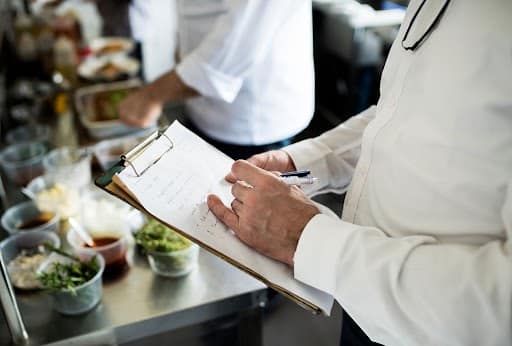


More than 50,000 UK food businesses are currently trading without ever receiving a formal food hygiene inspection. Recent Food Standards Agency (FSA) data reveals that 8.6% of the country’s 613,310 registered food outlets are stuck in an inspection queue due to severe recruitment and retention shortages among local authority Environmental Health Officers (EHOs).
While large supermarket chains report an inspection wait rate of 2.4% (383 premises), independent operators and hospitality businesses face a much greater delay. Caterers lead the backlog with 11,424 uninspected premises, followed closely by 10,166 restaurants and cafés, and 9,942 smaller retailers. (FSA Data, 2026).
The backlog isn't the only operational challenge facing independent businesses. Analysis highlights a sharp performance gap between large corporate chains and independent outlets once an inspection actually takes place:
| Business Type | Failure / Low Score Rate (0–2 Rating) | Primary Operational Challenges |
|---|---|---|
| Smaller Retailers & Independent Outlets | 5.6% | High staff turnover, inconsistent induction procedures, gaps in reporting data, e.g. temperature records |
| Supermarket Chains | 2.2% | Standardised national auditing, dedicated internal compliance teams |
Takeaway and sandwich shop operators consistently underperform compared to other sector categories. In fast-paced hospitality environments with high staff turnover, treating food safety training as a one-off onboarding exercise can contribute to compliance failures when EHOs perform unannounced spot checks.
In response to the challenges highlighted above, and in order to keep pace with sweeping changes in how food is produced, bought, and sold, the Food Standards Agency (FSA) is progressing plans for a major regulatory overhaul. Following extensive consultation with over 1,200 stakeholders, the FSA Board confirmed that while local authority food teams remain the "backbone of food safety," the overall regulatory framework must adapt to support local delivery and modern business models.
The detailed design phase focuses on these key areas:
So what does this mean to your food business? When staff change frequently, key food hygiene routines can slip and bad habits replace good practice. Because EHO visits can happen at any moment without warning, waiting for an inspection notice to review your processes is a major operational risk.
Historically, some food operators have relied on their local authority inspection team for regular, hands-on advice. With accessibility to EHOs becoming less straightforward, businesses are naturally wanting to become more proactive in their approach to food safety and team training. Here are some useful tools for forward-thinking food businesses wanting to get ahead of the game:
Instead of relying purely on annual refresher courses, run micro-briefings during daily briefings. Focus on one specific operational issue or standard per briefing (e.g., correct handwashing technique, allergen matrix checks, or cooked food cooling times) and ask a team member to demonstrate it live.
To keep refresher sessions simple and structured, supervisors can use The Safer Food Group’s Resource Centre. Built specifically for busy kitchen teams, the Resource Centre provides:
Ensure new hires complete core hygiene training prior to their first shift on the kitchen floor. Combining accredited, industry leading training with peer shadowing from an assigned "Hygiene Champion" ensures consistent good practice across all shifts.
Understanding the EHOs audit process helps you anticipate any issues that may be identified and deal with them in advance of an inspection - planned or otherwise! The Safer Food Group has created a free course to deal specifically with this subject - as well as breaking down the inspection process into its three component parts, our How to achieve a 5-rating' course includes a set of checklists to help you 'walk the business' with a critical eye, and put an effective action plan in place. And even better - the course and checklists are completely free.
When an EHO enters your premises, having certified, competent staff, fit-for-purpose premises and solid processes and documentation is what stands between your business and a damaging low rating.
SFG offers complete support for food safety compliance:
More than 50,000 UK food businesses are currently trading without ever receiving a formal food hygiene inspection. Recent Food Standards Agency (FSA) data reveals that 8.6% of the country’s 613,310 registered food outlets are stuck in an inspection queue due to severe recruitment and retention shortages among local authority Environmental Health Officers (EHOs).
While large supermarket chains report an inspection wait rate of 2.4% (383 premises), independent operators and hospitality businesses face a much greater delay. Caterers lead the backlog with 11,424 uninspected premises, followed closely by 10,166 restaurants and cafés, and 9,942 smaller retailers. (FSA Data, 2026).
The backlog isn't the only operational challenge facing independent businesses. Analysis highlights a sharp performance gap between large corporate chains and independent outlets once an inspection actually takes place:
| Business Type | Failure / Low Score Rate (0–2 Rating) | Primary Operational Challenges |
|---|---|---|
| Smaller Retailers & Independent Outlets | 5.6% | High staff turnover, inconsistent induction procedures, gaps in reporting data, e.g. temperature records |
| Supermarket Chains | 2.2% | Standardised national auditing, dedicated internal compliance teams |
Takeaway and sandwich shop operators consistently underperform compared to other sector categories. In fast-paced hospitality environments with high staff turnover, treating food safety training as a one-off onboarding exercise can contribute to compliance failures when EHOs perform unannounced spot checks.
In response to the challenges highlighted above, and in order to keep pace with sweeping changes in how food is produced, bought, and sold, the Food Standards Agency (FSA) is progressing plans for a major regulatory overhaul. Following extensive consultation with over 1,200 stakeholders, the FSA Board confirmed that while local authority food teams remain the "backbone of food safety," the overall regulatory framework must adapt to support local delivery and modern business models.
The detailed design phase focuses on these key areas:
So what does this mean to your food business? When staff change frequently, key food hygiene routines can slip and bad habits replace good practice. Because EHO visits can happen at any moment without warning, waiting for an inspection notice to review your processes is a major operational risk.
Historically, some food operators have relied on their local authority inspection team for regular, hands-on advice. With accessibility to EHOs becoming less straightforward, businesses are naturally wanting to become more proactive in their approach to food safety and team training. Here are some useful tools for forward-thinking food businesses wanting to get ahead of the game:
Instead of relying purely on annual refresher courses, run micro-briefings during daily briefings. Focus on one specific operational issue or standard per briefing (e.g., correct handwashing technique, allergen matrix checks, or cooked food cooling times) and ask a team member to demonstrate it live.
To keep refresher sessions simple and structured, supervisors can use The Safer Food Group’s Resource Centre. Built specifically for busy kitchen teams, the Resource Centre provides:
Ensure new hires complete core hygiene training prior to their first shift on the kitchen floor. Combining accredited, industry leading training with peer shadowing from an assigned "Hygiene Champion" ensures consistent good practice across all shifts.
Understanding the EHOs audit process helps you anticipate any issues that may be identified and deal with them in advance of an inspection - planned or otherwise! The Safer Food Group has created a free course to deal specifically with this subject - as well as breaking down the inspection process into its three component parts, our How to achieve a 5-rating' course includes a set of checklists to help you 'walk the business' with a critical eye, and put an effective action plan in place. And even better - the course and checklists are completely free.
When an EHO enters your premises, having certified, competent staff, fit-for-purpose premises and solid processes and documentation is what stands between your business and a damaging low rating.
SFG offers complete support for food safety compliance:
Join 950,000+ learners
Explore our award winning online video based training
The Safer Food Group
Unit 2, Integrity House,
Lower Lumsdale, Matlock
DE4 5EX

Back
to top
© The Safer Food Group 2026 | Privacy policy