Food & safety
Button Batteries - keeping children safe
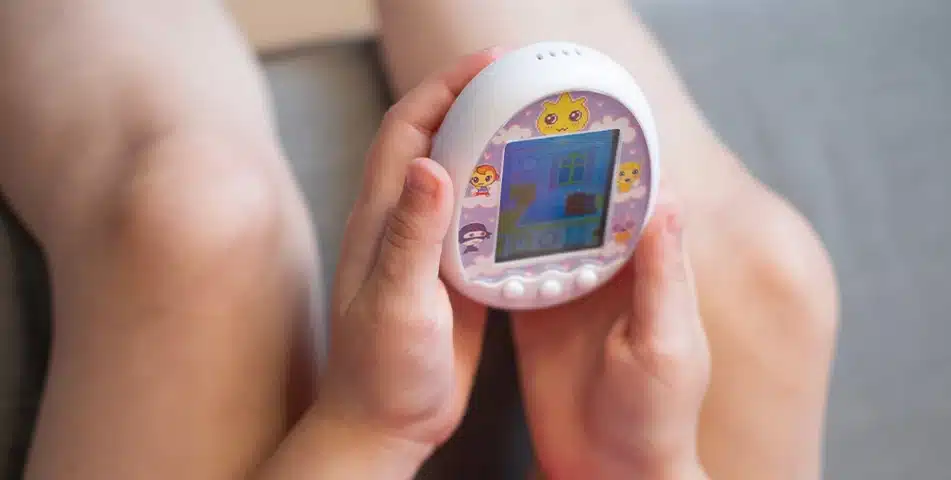


Button batteries - flat, disc shaped batteries - present a serious danger, particularly to babies and young children. Their shape and size makes them a considerable choking risk when placed in the mouth and swallowed as they can easily block the throat. However, button batteries present an even greater danger.
The chemicals within a button battery can react with saliva to create a highly corrosive acidic substance, like caustic soda. This acid causes very serious internal injuries, including burns and internal bleeding, and can cause death.
Therefore, it is really important that, wherever possible, you avoid using items that are powered by button batteries around children and babies, whether in the home or in an early years setting. This isn't always easy - button batteries are very widely used, in some obvious and some less expected items. For instance, here are some objects you might typically use around children that are likely to be powered by button batteries:
But also consider more obscure items - for instance, greeting cards, novelty T-shirts and flashing wellies. Many items that require electrical power and don't have replaceable batteries use button batteries, as they are cheap and small.
In a formal childcare or education setting, you must include button batteries within your risk assessments. At home, you can follow a similar process, and ensure that everyone in your home is aware of the dangers and carries out the same rigorous checks.
A risk assessment for button batteries should include:
Don't forget to check new electronic items that are introduced to the home or childcare setting - be especially alert around key gift giving times such as birthdays, Christmas and other celebrations.
If you believe a child might have swallowed a battery, take them to A&E or call an ambulance immediately. Keep the battery packaging or the product the battery was removed from to inform the emergency team. Do not make the child sick as this could cause further damage to a greater area.
The NHS advises that, if the child is 12 months or over, give two teaspoons of honey every ten minutes, as this may help reduce the possible damage.
The Safer Food Group offer Health and Safety training for Early Years professionals, educators and parents, including our Level 2 Health and Safety Early Years course, written in association with the Early Years Alliance. For more information about Safer Food Group training, visit www.thesaferfoodgroup.com
Join 950,000+ learners
Explore our award winning online video based training

The Safer Food Group
Unit 2, Integrity House,
Lower Lumsdale, Matlock
DE4 5EX

Back
to top
© The Safer Food Group 2026 | Privacy policy