Search
Menu
The Safer Food Group
Unit 2, Integrity House,
Lower Lumsdale, Matlock
DE4 5EX
info@thesaferfoodgroup.com0800 612 6784

Food Safety Alert: Salmonella contamination prompts mass recall of pre-packaged fruit
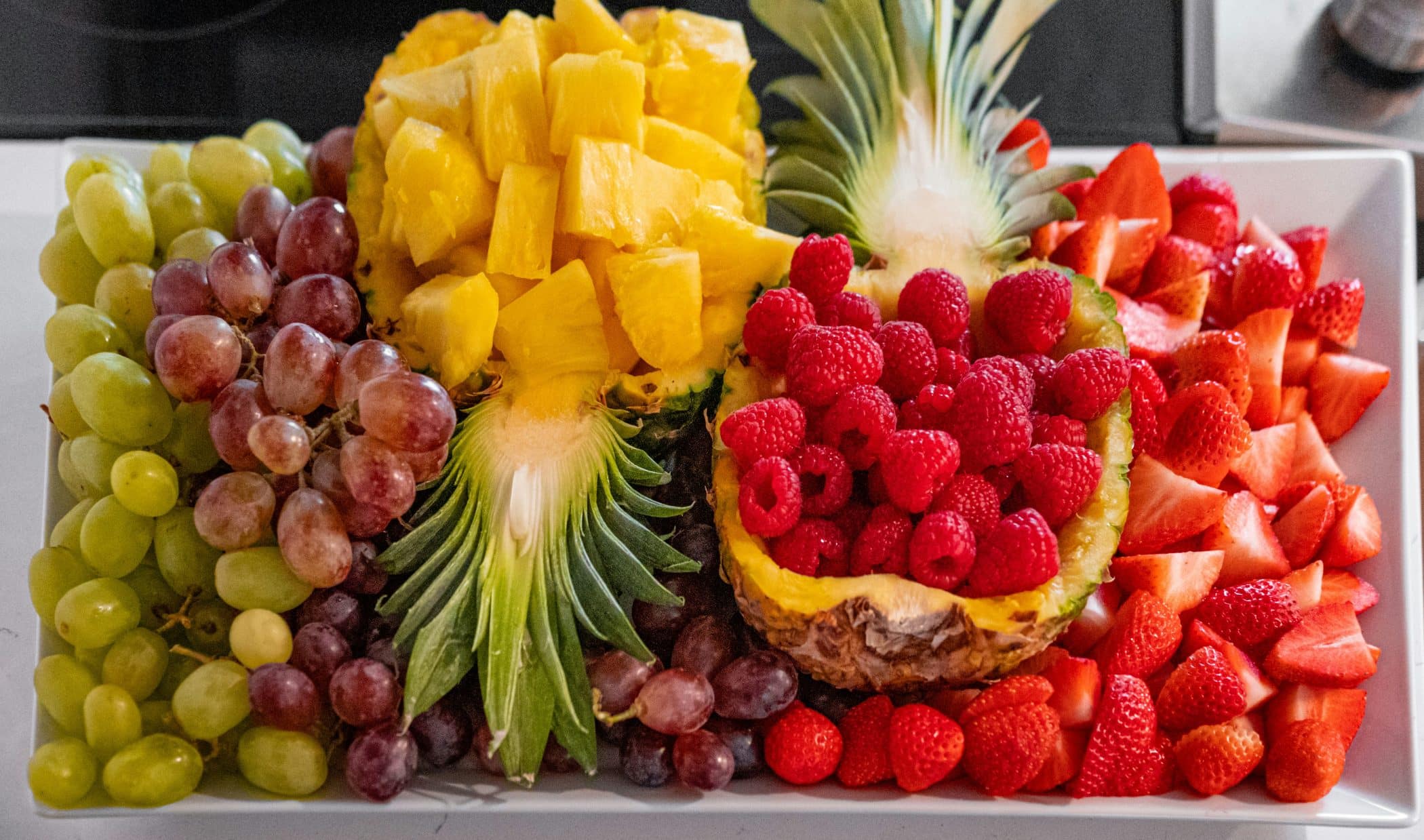
The image shows a plate of colourful, prepared fruit, including pineapple, strawberries, grapes and raspberries. A number of these fruits are included in products recalled by the FSA on 23rd June 2026

In this article

The Food Standards Agency (FSA) has issued an urgent recall for several pre-packaged, ready-to-eat fruit products across major UK supermarkets. The alert, issued on 23rd June 2026 was triggered after supplier PrepWorld detected Salmonella during routine testing of apples and kiwi fruit used in their snack packs and fruit pots.

As a food safety professional, business operator, or consumer, understanding the scope of this recall and the risks associated with Salmonella in fresh produce is critical.

Scope of the recall

The affected products include various ready-to-eat snack lines, fruit pots, and fruit kebabs sold at leading retailers, including Asda, Morrisons, Marks & Spencer, Sainsbury’s, Tesco, and Waitrose.

Because these are fresh, perishable items, the specific products involved carry use-by or best-before dates of June 23 or June 24 2026.

A breakdown of the affected stock by retailer includes:

  • Tesco: Four products removed, including 250g and 125g Melon, Kiwi, and Strawberry packs, 100g Kiwi Fruit Pots, and 290g Fruit Kebabs.
  • Sainsbury’s: Three products removed, including 220g Melon, Kiwi, and Strawberry pots, 240g Orange and Kiwi packs, and 240g Pink Lady Apple and Grape packs.
  • Marks & Spencer: Three products removed, featuring 90g Café Pink Lady Apple slices, 90g (FTG) Pink Lady Apple packs, and 225g Pink Lady Apple Slices.
  • Asda: 220g Pink Lady Apple, Mango, Strawberry, and Blueberry fruit pot.
  • Morrisons: 220g Kiwi, Melon, and Strawberries pack.
  • Waitrose: 115g Pink Lady Apple and Grapes packs.

Retailers are actively displaying point-of-sale notices in all stores selling these items to instruct consumers on how to return them for a full refund.

Why fresh produce poses a Salmonella risk

While Salmonella is traditionally associated with raw poultry, eggs, and unpasteurised milk, fresh produce is an increasingly common vehicle for foodborne illnesses. Fruit can become contaminated at multiple stages of the supply chain, including:

  • Agricultural runoff: Contaminated irrigation water or closeness to livestock.
  • Cross-contamination: Improper handling during harvesting or transport.
  • Processing risks: Pre-packaged fruit requires intensive handling, peeling, and slicing. If pathogen control or sanitation protocols fail at the processing plant level, bacteria can easily spread across large batches of ready-to-eat produce.

Health Risks and Symptoms

Salmonella infection (salmonellosis) typically affects patients as gastroenteritis. Symptoms include fever, diarrhoea, and abdominal cramps, usually developing within hours to a few days after exposure. While healthy adults often recover with rest and hydration, the FSA emphasizes that vulnerable demographics - such as children under five, individuals over 65, and immunocompromised people -are at a much higher risk of severe illness or hospitalisation.

Recommended action for food operators and consumers

  1. Check your fridge: Check all domestic and commercial refrigerators for the affected PrepWorld products matching the specific date codes.
  2. Do not consume or serve: Treat these items as high-risk biological hazards.
  3. Return for refund: Affected items should be returned to the store of purchase. No receipt is required for a full refund.
  4. Sanitise: Ensure any food preparation areas, utensils, or storage shelves that came into contact with the recalled packaging are thoroughly cleaned and sanitised to prevent cross-contamination.

Staying informed on the latest FSA / FSS (or appropriate authority) recalls is a vital part of maintaining robust Hazard Analysis Critical Control Point (HACCP) systems. To learn more about HACCP systems and safe food handling, take a look at The Safer Food Group's accessible, straightforward online training courses. 

The Food Standards Agency (FSA) has issued an urgent recall for several pre-packaged, ready-to-eat fruit products across major UK supermarkets. The alert, issued on 23rd June 2026 was triggered after supplier PrepWorld detected Salmonella during routine testing of apples and kiwi fruit used in their snack packs and fruit pots.

As a food safety professional, business operator, or consumer, understanding the scope of this recall and the risks associated with Salmonella in fresh produce is critical.

Scope of the recall

The affected products include various ready-to-eat snack lines, fruit pots, and fruit kebabs sold at leading retailers, including Asda, Morrisons, Marks & Spencer, Sainsbury’s, Tesco, and Waitrose.

Because these are fresh, perishable items, the specific products involved carry use-by or best-before dates of June 23 or June 24 2026.

A breakdown of the affected stock by retailer includes:

  • Tesco: Four products removed, including 250g and 125g Melon, Kiwi, and Strawberry packs, 100g Kiwi Fruit Pots, and 290g Fruit Kebabs.
  • Sainsbury’s: Three products removed, including 220g Melon, Kiwi, and Strawberry pots, 240g Orange and Kiwi packs, and 240g Pink Lady Apple and Grape packs.
  • Marks & Spencer: Three products removed, featuring 90g Café Pink Lady Apple slices, 90g (FTG) Pink Lady Apple packs, and 225g Pink Lady Apple Slices.
  • Asda: 220g Pink Lady Apple, Mango, Strawberry, and Blueberry fruit pot.
  • Morrisons: 220g Kiwi, Melon, and Strawberries pack.
  • Waitrose: 115g Pink Lady Apple and Grapes packs.

Retailers are actively displaying point-of-sale notices in all stores selling these items to instruct consumers on how to return them for a full refund.

Why fresh produce poses a Salmonella risk

While Salmonella is traditionally associated with raw poultry, eggs, and unpasteurised milk, fresh produce is an increasingly common vehicle for foodborne illnesses. Fruit can become contaminated at multiple stages of the supply chain, including:

  • Agricultural runoff: Contaminated irrigation water or closeness to livestock.
  • Cross-contamination: Improper handling during harvesting or transport.
  • Processing risks: Pre-packaged fruit requires intensive handling, peeling, and slicing. If pathogen control or sanitation protocols fail at the processing plant level, bacteria can easily spread across large batches of ready-to-eat produce.

Health Risks and Symptoms

Salmonella infection (salmonellosis) typically affects patients as gastroenteritis. Symptoms include fever, diarrhoea, and abdominal cramps, usually developing within hours to a few days after exposure. While healthy adults often recover with rest and hydration, the FSA emphasizes that vulnerable demographics - such as children under five, individuals over 65, and immunocompromised people -are at a much higher risk of severe illness or hospitalisation.

Recommended action for food operators and consumers

  1. Check your fridge: Check all domestic and commercial refrigerators for the affected PrepWorld products matching the specific date codes.
  2. Do not consume or serve: Treat these items as high-risk biological hazards.
  3. Return for refund: Affected items should be returned to the store of purchase. No receipt is required for a full refund.
  4. Sanitise: Ensure any food preparation areas, utensils, or storage shelves that came into contact with the recalled packaging are thoroughly cleaned and sanitised to prevent cross-contamination.

Staying informed on the latest FSA / FSS (or appropriate authority) recalls is a vital part of maintaining robust Hazard Analysis Critical Control Point (HACCP) systems. To learn more about HACCP systems and safe food handling, take a look at The Safer Food Group's accessible, straightforward online training courses. 

About the author

Clare Grantham

Clare is one of our course and content writers, with a wealth of experience in both food safety and education. Early career experience in catering and hospitality (chiefly fish and chip shops!) led Clare to undertake various roles, supporting voluntary organisations to achieve safe processes and 5 star ratings within their catering operations. Alongside a postgraduate qualification in education, and a university staff development role, this experience has enabled Clare to develop quality learning materials and resources that address topics from the food handler and business owner’s perspective.

More posts

Join 950,000+ learners

Explore our award winning online video based training

  • Level 2
    Food Hygiene
    Certificate Training
    The essentials of food safety and is suitable for all workers who handle, prepare and serve food.
    Find out more
    £12
    + VAT
    Multi-buy discounts from £6 per course
    Food Hygiene 
    Rating Scheme
    How to get a 5 rating
    This free course unlocks invaluable insights into the food hygiene rating scheme, revealing the three key areas examined by an EHO.
    Find out more
  • Level 1
    Food Hygiene
    Certificate Training
    The essential principles of Food Safety; it is designed for workers who do not handle or prepare food, but who work in an environment where food is prepared, served or sold.
    Find out more
    £12
    + VAT
    Multi-buy discounts from £6 per course
    Level 3
    Food Hygiene
    Certificate Training
    This Level 3 course has been developed for those in a supervisory or management role in a food environment.
    Find out more
    £89
    + VAT
    Multi-buy discounts from £80 per course
  • Level 2
    Food Allergy Training
    This version of Level 2 Food Allergy course looks at allergenic ingredients, their effects on the human body, and how to minimise the risks caused by allergens.
    Find out more
    £12
    + VAT
    Multi-buy discounts from £6 per course
    Level 3
    Food Allergy Training
    This course provides leaders, managers, supervisors and chefs with the tools and skills to assess food allergen risk within their own work environment.
    Find out more
    £48
    + VAT
    Multi-buy discounts from £24 per course
  • Level 2
    Nutrition Training
    Developed alongside a PhD Nutritional Specialist, advisor and author, this course provides in-depth understanding of human nutrition.
    Find out more
    £12
    + VAT
    Multi-buy discounts from £6 per course
    Level 2
    HACCP Training
    A Food Safety Management System such as HACCP is a legal requirement in any commercial food production setting.
    Find out more
    £12
    + VAT
    Multi-buy discounts from £6 per course
Need any help?
Call 0800 612 6784
Sign up to our newsletter
[piotnetforms id=645]
crossmenu linkedin facebook pinterest youtube rss twitter instagram facebook-blank rss-blank linkedin-blank pinterest youtube twitter instagram