Food & safety
Too Good to Waste? How to use sustainable food services safely
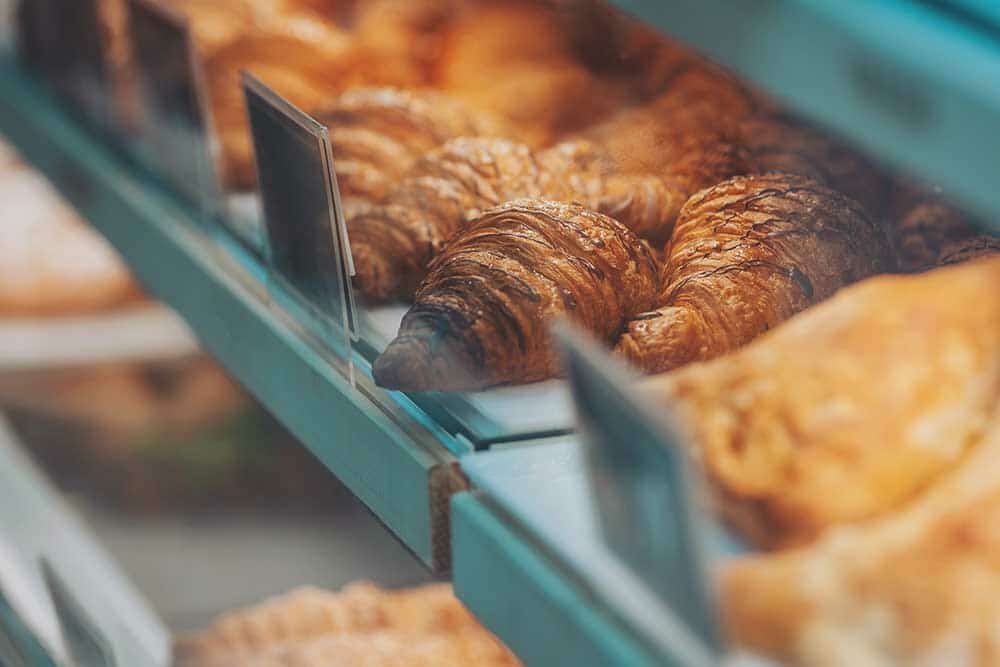


There is no dispute that services that offer food close to the end of its life are brilliant. They can be a great way of feeding your family on a budget, reducing the cost risk of trying a new takeaway, or a way to get you out of your food comfort zone by trying new foods and recipes.
But do they also increase the risk of illness caused by unsafe food? We look at the key things you need to know when you use a sustainable food service.
Over the last ten years, a number of commercial and not-for-profit food services have emerged. Whilst they all operate slightly differently, they all have one central aim - to reduce the amount of food that goes into landfill. Some of these services take surplus food and distribute without charge within their communities. Others connect retailers with consumers, and offer leftover food at reduced prices.
Nationally, Too Good To Go is probably the most well recognised commercial operator in this arena. Their service is run via their slick app - selection and payments are made through the app, the customer just has to turn up at the store at the correct time to collect their order. The contents of orders are generally a surprise, as they depend on surplus stock available at the retailer, but customers can use ratings of previous users to gauge the potential 'value' of their bag.
Olio also runs via an app, but is a free service. Food is donated by supermarkets and other retailers and distributed via volunteers and community hubs, and also offered by individuals. Again, the availability of food is random, as it depends on surplus, but this service can often make a significant difference to families on low incomes.
Community fridges are generally services used within a local area that sell surplus stock at very reduced prices - again, a great service for low income customers, who can often select the items that are most useful to them. These are typically run by voluntary organisations, CICs and churches.
Sustainable food services, and retailers who sell their goods through these services, are bound by the same food safety rules as any food business in the UK. Therefore they must stick to the following rules:
On the note of packaging - be extra cautious if someone eating the food is an allergy sufferer and packaging is damaged. Allergens are not destroyed by the cooking process, so if an allergen contaminates another food, it is absolutely not safe for someone who suffers with that allergy.
Retailer and distributors must follow safe storage guidelines until the food is collected. Food that is normally stored in chillers, freezers or in hot holding should be kept in appropriate storage until collection.
Most sustainable food services are run safely and responsibly - but knowing the rules above will help you spot when things go wrong. And there are some things you can do to keep yourself safe too.
Too much sliced bread? Pop it in the freezer - frozen slices can be toasted.
Surplus of sandwiches? If you have a sandwich toaster, these are a great weekend go to. Remove from their packets and freeze flat (by the use-by date), then pop straight in the toastie maker when needed. Check the filling is nice and hot before you eat. Great for cheese and ham, not so good for houmous and lettuce!
Get creative with piles of fruit and veg. Think about preserving as jams and chutneys, or even dehydrating if you have a fancy setting on your airfryer (perfect for grapes and berries).
Too many potatoes? Peel, boil for ten minutes, steam and rough up the edges. Coat in oil and freeze on a tray - perfectly prepared roasties for Sunday lunch.
Grate apples and pears, mix with oats and yoghurt and leave overnight for a breakfast feast.
Frozen grapes make a brilliant substitute for ice cubes in drinks for older children and adults. We'd advise against this for younger children due to the risk of choking.
Sustainable food services that operate safely are great! If you run a local service and want to learn more about food safety, or you're a home cook who wants to make sure you're following good food hygiene, check out our Level 2 Food Safety course. It's straightforward, accessible and great value - just like food sustainable food services!
Join 950,000+ learners
Explore our award winning online video based training

The Safer Food Group
Unit 2, Integrity House,
Lower Lumsdale, Matlock
DE4 5EX

Back
to top
© The Safer Food Group 2026 | Privacy policy