Food & safety
Understanding High-Risk Foods: A Guide to Food Safety
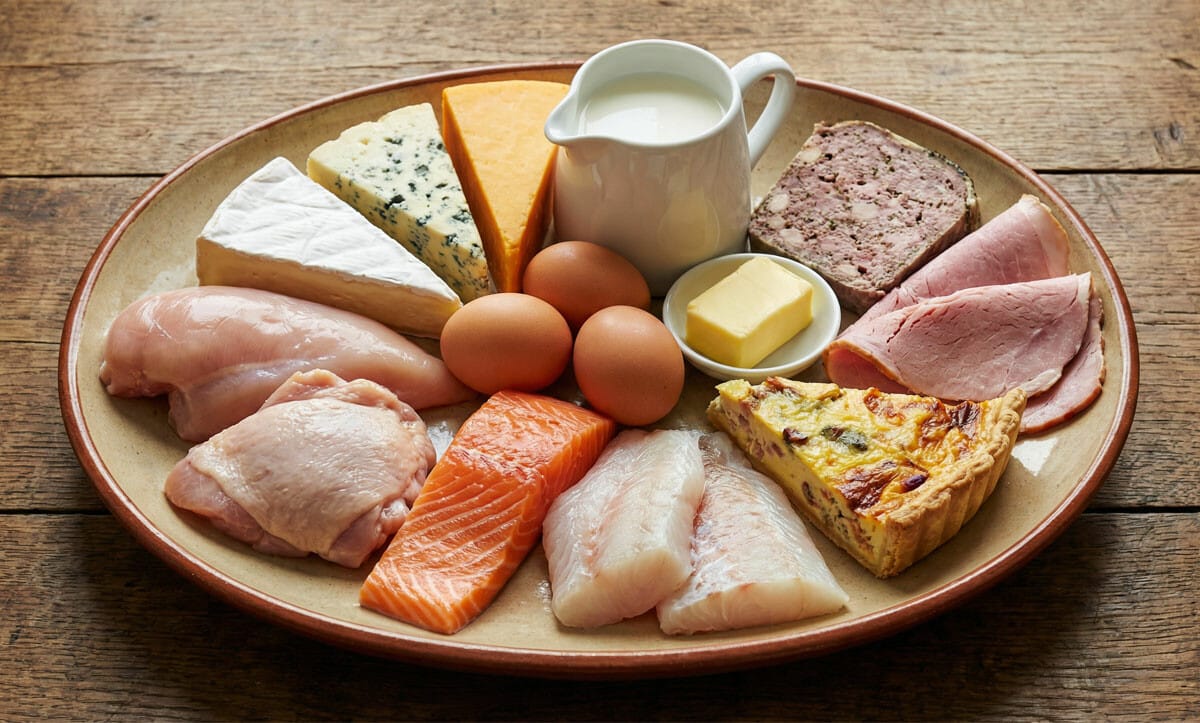


In any kitchen - whether at home or in a professional catering environment - understanding the difference between high-risk and low-risk foods is a key element of good food hygiene. Managing these items correctly is essential to prevent food poisoning.
A food is considered high risk if it provides the ideal conditions for harmful bacteria to grow and multiply. Food is considered high risk if it is moist, high in protein, and either ready to eat, or a raw ingredient, as these foods naturally harbour dangerous pathogens.
Technically, high-risk foods are defined by three main characteristics:
Because these foods are moist and nutrient-rich, even slight contamination can lead to a dangerous bacterial load in a very short amount of time if kept at the wrong temperature.
The primary difference lies in stability and the likelihood of bacterial growth.
Bread is not classified as high risk - this is because bread is relatively dry, with little protein content. While it can grow mould over time, caused by spoilage bacteria, it lacks the moisture and nutirients required for the rapid growth of the dangerous pathogenic bacteria that cause food poisoning.
Look out for these common high-risk items in your kitchen (this list is not exhaustive - these are just examples of these types of foods):
Raw foods are particularly notorious for spreading bacteria through cross-contamination. Raw poultry is a major source of Campylobacter, and raw eggs can carry Salmonella.
While raw meats are cooked to kill bacteria, the danger arises when they come into contact with other surfaces. If high-risk, ready-to-eat foods (like a ham sandwich) touch a surface previously used for raw chicken, the bacteria transfer to the ham and multiply. Because the ham will not be cooked again, the bacteria remain active and dangerous.
To keep high-risk foods safe, you must control their environment strictly.
All high-risk foods must be kept in the refrigerator (or freezer). However, the specific location depends on whether the food is raw or ready to eat:
In the UK, FSA / FSS regulations are very specific about temperature control, to prevent food spending time in the Danger Zone (5∘C to 63∘C), where bacteria multiply fastest.
Under food hygiene regulations, the maximum legal temperature for storing high-risk cold foods in the UK is 8∘C. However, for best practice and a margin of safety, most food safety experts recommend keeping your refrigerator set between 1∘C and 5∘C.
Understanding how to identify and work with high-risk foods is a key element of good food hygiene. This article gives us an insight into the world of pathogens and contamination - and also best practice and how to produce foods safely. To gain a broader understanding of food safety and how to practice it in your home or business, why not study our short, accessible Level 2 Food Hygiene course, leading to an accredited certificate?
Join 950,000+ learners
Explore our award winning online video based training
The Safer Food Group
Unit 2, Integrity House,
Lower Lumsdale, Matlock
DE4 5EX

Back
to top
© The Safer Food Group 2026 | Privacy policy