Food & safety
What is an EHO in Food Safety? Meaning, inspections and compliance
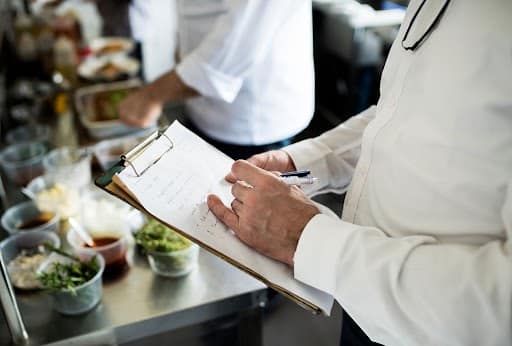

If your business prepares, sells, serves or manufactures food, Environmental Health Officers (EHOs) play a central role in how you operate. Their inspections are essential for compliance purposes but they also shape how customers perceive your brand, how confidently you can trade and how well you protect your reputation.
EHO inspections determine a business’s food hygiene rating and those ratings matter. They’re often displayed publicly and used by customers to decide where to eat or buy from. A high score signals trust, cleanliness and competence, while a low score can raise doubts, impact footfall and damage loyalty. In a competitive market, that difference affects profitability just as much as it affects compliance.
EHOs also help ensure the basics of food safety are being done right: preventing cross-contamination, managing allergens, controlling temperatures, keeping premises clean and protecting public health. Failing to meet those standards can lead to legal notices, temporary closures or, in serious cases, prosecution, all of which disrupt operations and carry financial consequences.
The businesses that perform best under inspection treat food safety as an everyday routine rather than a panic response. That’s where training makes a measurable difference. When staff understand how to handle food safely, follow procedures and demonstrate good practice, inspections become smoother and outcomes improve. In short, training is the foundation of a confident EHO visit and a strong food hygiene rating.
An Environmental Health Officer (EHO) is a qualified professional responsible for making sure food businesses handle, prepare and serve food safely. Their role sits at the intersection of public health and food regulation, helping to ensure that the food people eat is safe, hygienic and produced in compliance with the law.
The purpose of the EHO is simple: to protect public health. By assessing and regulating food hygiene standards, EHOs help prevent foodborne illness, safeguard consumer confidence and maintain a fair, safe and reputable food industry. Their work reduces the likelihood of outbreaks, protects vulnerable groups and encourages businesses to adopt consistent, compliant practices.
For food operators, understanding what EHOs do and why is the first step toward confident inspections and a stronger hygiene rating.
Environmental Health Officers have a wide remit within the food industry, combining regulation, education and enforcement. Their core responsibility is to make sure food businesses are operating safely and legally, but how they achieve that spans several areas of public health.
EHOs carry out on-site inspections to assess how food is stored, prepared, cooked, cooled and served. They look for issues such as temperature abuse, poor allergen control, cross-contamination risks and inadequate personal hygiene practices. Their findings contribute directly to a business’s food hygiene rating.
Beyond the food itself, EHOs assess the wider environment in which it’s produced. That includes the condition and layout of the premises, ventilation, waste disposal, pest control measures and equipment maintenance. These factors influence both food safety and the wellbeing of staff and customers.
If a customer reports suspected food poisoning, contamination, allergens, pests or other hygiene concerns, an EHO may investigate. They collect information, trace sources, review procedures and, where necessary, take samples for testing to determine whether food safety laws have been breached.
EHOs enforce standards but also guide businesses on how to meet them. This can involve discussing safer processes, recommending improvements, highlighting training needs or helping operators understand their legal obligations.
Where risks are significant or compliance is poor, EHOs have powers to issue notices, restrict activities or in severe cases stop a business from trading until hazards are resolved. These measures exist to protect public health and prevent harm.
Taken together, the EHO role blends prevention, compliance and consumer protection, helping maintain safe food systems and supporting businesses in meeting the standards the law requires.
An EHO inspection, sometimes also referred to as a food hygiene inspection or council food inspection, is an on-site assessment of how safely a business handles food and manages its premises. The goal is to confirm that food is being produced in line with legal requirements and good hygiene practice, as well as to identify any risks that could affect public health.
Inspections can happen for several reasons. The most common triggers include:
For operators, the inspection process forms the basis of a food hygiene rating, which is a key signal to customers and regulators alike. Understanding what EHOs check, and why, is central to preparing staff and achieving a strong result.
During an inspection, EHOs assess a food business across three core areas. These pillars cover both how food is handled and the environment it’s handled in, as well as whether the business has the systems it needs to stay safe over time.
This area focuses on how food is prepared, cooked, cooled, reheated, stored and served. EHOs check for risks such as:
These checks show whether the business manages hazards that could lead to food poisoning or allergen reactions.
This includes the physical environment of the food operation, such as:
A clean, well-maintained workspace reduces hygiene risks and demonstrates day-to-day control rather than reactive fixes.
Beyond what happens on the day, EHOs assess how consistently safety is managed over time. This includes:
A strong FSMS shows that safe practice is planned, monitored and embedded.
For many businesses, this final pillar is where training makes a measurable difference. When staff understand hazards, allergens and hygiene controls, inspections become smoother and hygiene ratings improve.
Inspections are designed to reflect genuine day-to-day practice rather than a staged demonstration of compliance. For that reason, food businesses should work on the basis that an EHO could arrive at any reasonable time during operating hours.
Notice may be given of an EHO inspection, but this is not always the case. Most often, an EHO visiting a business with a previous high score, or visiting a new food business will make an appointment in advance. But businesses with higher risk profiles, or those who have previously been given low scores in inspections are more likely to be visited without warning - an excellent reason to strive for a good hygiene rating!
It’s also worth noting that businesses are legally required to allow EHOs access to carry out inspections. Refusing entry or obstructing an inspection is an offence and can escalate enforcement action quickly.
The frequency of food hygiene inspections varies depending on the risk profile of the business. Higher-risk operations, for example those handling raw meat, high volumes, complex preparation or serving vulnerable groups, are inspected more frequently than low-risk retail or pre-packaged food settings.
Local authorities use a tiered risk system, typically ranging from routine visits every six months at the high end to every few years at the low end. Factors influencing this assessment include:
For operators, this means consistent standards matter. Strong compliance and good inspection outcomes can reduce inspection frequency, while repeated issues or poor ratings can increase it.
While much of an EHO’s role focuses on prevention and guidance, they also hold legal powers to enforce food safety standards when risks are identified. These powers exist to protect public health and ensure businesses address issues quickly and effectively.
Key enforcement measures include:
Used when practices or premises fall short of legal requirements. These notices outline what needs to change and set a deadline for compliance.
Issued when there is an immediate risk to health, such as unsafe food, severe contamination risks or critical structural issues. They can stop the use of specific equipment, processes or areas and, in severe cases, the whole operation, until hazards are resolved.
If food is suspected to be unsafe, incorrectly labelled or unfit for consumption, EHOs can detain it for investigation or seize it to prevent it reaching consumers.
In situations where risks cannot be controlled immediately, EHOs have the authority to shut down a business until corrective action is taken.
Persistent non-compliance, serious breaches or deliberate disregard for food safety law can lead to legal proceedings, fines and, in extreme cases, bans from operating within the sector.
These powers reinforce why consistent standards matter. Businesses that rely on everyday compliance, documented processes and trained staff tend to avoid enforcement actions altogether and maintain both operational continuity and customer trust.
Failing an EHO inspection doesn’t automatically mean closure, but it does trigger consequences that range from corrective work to serious enforcement. What happens next depends on the severity of the issues identified and the risk they pose to public health.
Common outcomes include:
If standards fall below expectation, EHOs return to verify that improvements have been made. Deadlines are typically set to ensure action is taken promptly.
Improvement notices or prohibition notices may be issued to enforce compliance. These come with clear timeframes and conditions, and failure to meet them can escalate matters quickly.
A low food hygiene score can affect customer confidence, online reviews and purchasing decisions. For hospitality and retail businesses, that impact can be immediate and long-lasting.
Where there is a serious threat to health, temporary closure may be enforced until hazards are eliminated. For businesses with narrow margins or seasonal trade, even short closures carry financial consequences.
If a business believes an inspection outcome is unfair or inaccurate, it has the right to challenge it. Appeals typically involve reviewing the inspection findings, presenting evidence and requesting reassessment through the local authority. While not every appeal leads to a change in rating, the process exists to ensure results are transparent, accurate and justified.
For most operators, the smoothest route is proactive rather than reactive: understanding expectations, training staff and embedding food safety into daily routines makes inspections predictable and failures far less likely.
The best preparation for an EHO inspection is consistency. EHOs are looking for evidence that food safety isn’t an occasional effort, but something managed every day through processes, documentation and trained staff. Key areas to focus on include:
Demonstrate that cleaning is planned, routine and thorough. Daily and deep-clean schedules, chemical usage guidance and cleaning records all help show control rather than reactive housekeeping.
Safe cooking, chilling, reheating and hot holding depend on accurate temperature control. Keeping temperature logs for fridges, freezers and cooked foods is an easy win during inspection and a critical safeguard for foodborne illness prevention.
EHOs expect businesses to manage allergens confidently, both in the kitchen and front of house. That includes preventing cross-contact, clear menu communication and staff understanding of the 14 major allergens.
Proof of pest control arrangements, monitoring and contractor visits reassures inspectors that risks are under control. Visible signs of pests are a common trigger for enforcement action, so proactive measures really matter.
Logs, training records, opening and closing checks, cleaning schedules and supplier/traceability documentation all help demonstrate how the business manages food safety between inspections.
A documented FSMS built on HACCP principles shows that hazards have been identified and controls are in place. EHOs will often review these documents alongside operational practice to confirm alignment.
Competent staff are one of the biggest determinants of inspection outcomes. When team members can explain temperature control, allergens and safe handling, it reassures inspectors that training is active, not just paperwork.
Preparing for inspections is mostly about removing surprises. Businesses that embed these elements into their daily routine tend to achieve stronger hygiene ratings and spend less time firefighting on the day.
Training is central to EHO compliance because food safety relies on people as much as policies. EHOs check equipment and premises but also assess whether staff understand how to handle food safely, prevent contamination and follow procedures consistently.
Training links directly to several inspection criteria:
For businesses, this means training is essentially a risk reducer. Teams that are trained perform better during inspections, make fewer errors, and contribute to stronger hygiene ratings, lower operational risk and smoother working environments.
Common training investments that support EHO expectations include:
These courses build the competence inspectors expect to see and help ensure that food safety standards are sustained day-to-day.
EHO inspections don’t have to be intimidating. When food safety standards are built into daily operations, inspections become predictable, hygiene ratings improve and customers gain confidence in your business. Most of what EHOs look for is straightforward when staff are trained and systems are in place. The result is safer food, fewer operational surprises and stronger commercial outcomes.
If you want your next inspection to feel like business as usual rather than a scramble, training is the logical foundation. It equips staff with practical knowledge, builds confidence during inspections and demonstrates to EHOs that your standards are consistent and sustainable.
Safer Food Group offers flexible, accredited online training for food businesses across hospitality, catering, retail and manufacturing. Courses such as Level 2 Food Hygiene, HACCP, Allergen Awareness and Food Hygiene Supervisor training help teams develop the competence inspectors expect to see and make achieving a strong hygiene rating far simpler.
Prepare your team now and approach your next inspection with confidence.
If your business prepares, sells, serves or manufactures food, Environmental Health Officers (EHOs) play a central role in how you operate. Their inspections are essential for compliance purposes but they also shape how customers perceive your brand, how confidently you can trade and how well you protect your reputation.
EHO inspections determine a business’s food hygiene rating and those ratings matter. They’re often displayed publicly and used by customers to decide where to eat or buy from. A high score signals trust, cleanliness and competence, while a low score can raise doubts, impact footfall and damage loyalty. In a competitive market, that difference affects profitability just as much as it affects compliance.
EHOs also help ensure the basics of food safety are being done right: preventing cross-contamination, managing allergens, controlling temperatures, keeping premises clean and protecting public health. Failing to meet those standards can lead to legal notices, temporary closures or, in serious cases, prosecution, all of which disrupt operations and carry financial consequences.
The businesses that perform best under inspection treat food safety as an everyday routine rather than a panic response. That’s where training makes a measurable difference. When staff understand how to handle food safely, follow procedures and demonstrate good practice, inspections become smoother and outcomes improve. In short, training is the foundation of a confident EHO visit and a strong food hygiene rating.
An Environmental Health Officer (EHO) is a qualified professional responsible for making sure food businesses handle, prepare and serve food safely. Their role sits at the intersection of public health and food regulation, helping to ensure that the food people eat is safe, hygienic and produced in compliance with the law.
The purpose of the EHO is simple: to protect public health. By assessing and regulating food hygiene standards, EHOs help prevent foodborne illness, safeguard consumer confidence and maintain a fair, safe and reputable food industry. Their work reduces the likelihood of outbreaks, protects vulnerable groups and encourages businesses to adopt consistent, compliant practices.
For food operators, understanding what EHOs do and why is the first step toward confident inspections and a stronger hygiene rating.
Environmental Health Officers have a wide remit within the food industry, combining regulation, education and enforcement. Their core responsibility is to make sure food businesses are operating safely and legally, but how they achieve that spans several areas of public health.
EHOs carry out on-site inspections to assess how food is stored, prepared, cooked, cooled and served. They look for issues such as temperature abuse, poor allergen control, cross-contamination risks and inadequate personal hygiene practices. Their findings contribute directly to a business’s food hygiene rating.
Beyond the food itself, EHOs assess the wider environment in which it’s produced. That includes the condition and layout of the premises, ventilation, waste disposal, pest control measures and equipment maintenance. These factors influence both food safety and the wellbeing of staff and customers.
If a customer reports suspected food poisoning, contamination, allergens, pests or other hygiene concerns, an EHO may investigate. They collect information, trace sources, review procedures and, where necessary, take samples for testing to determine whether food safety laws have been breached.
EHOs enforce standards but also guide businesses on how to meet them. This can involve discussing safer processes, recommending improvements, highlighting training needs or helping operators understand their legal obligations.
Where risks are significant or compliance is poor, EHOs have powers to issue notices, restrict activities or in severe cases stop a business from trading until hazards are resolved. These measures exist to protect public health and prevent harm.
Taken together, the EHO role blends prevention, compliance and consumer protection, helping maintain safe food systems and supporting businesses in meeting the standards the law requires.
An EHO inspection, sometimes also referred to as a food hygiene inspection or council food inspection, is an on-site assessment of how safely a business handles food and manages its premises. The goal is to confirm that food is being produced in line with legal requirements and good hygiene practice, as well as to identify any risks that could affect public health.
Inspections can happen for several reasons. The most common triggers include:
For operators, the inspection process forms the basis of a food hygiene rating, which is a key signal to customers and regulators alike. Understanding what EHOs check, and why, is central to preparing staff and achieving a strong result.
During an inspection, EHOs assess a food business across three core areas. These pillars cover both how food is handled and the environment it’s handled in, as well as whether the business has the systems it needs to stay safe over time.
This area focuses on how food is prepared, cooked, cooled, reheated, stored and served. EHOs check for risks such as:
These checks show whether the business manages hazards that could lead to food poisoning or allergen reactions.
This includes the physical environment of the food operation, such as:
A clean, well-maintained workspace reduces hygiene risks and demonstrates day-to-day control rather than reactive fixes.
Beyond what happens on the day, EHOs assess how consistently safety is managed over time. This includes:
A strong FSMS shows that safe practice is planned, monitored and embedded.
For many businesses, this final pillar is where training makes a measurable difference. When staff understand hazards, allergens and hygiene controls, inspections become smoother and hygiene ratings improve.
Inspections are designed to reflect genuine day-to-day practice rather than a staged demonstration of compliance. For that reason, food businesses should work on the basis that an EHO could arrive at any reasonable time during operating hours.
Notice may be given of an EHO inspection, but this is not always the case. Most often, an EHO visiting a business with a previous high score, or visiting a new food business will make an appointment in advance. But businesses with higher risk profiles, or those who have previously been given low scores in inspections are more likely to be visited without warning - an excellent reason to strive for a good hygiene rating!
It’s also worth noting that businesses are legally required to allow EHOs access to carry out inspections. Refusing entry or obstructing an inspection is an offence and can escalate enforcement action quickly.
The frequency of food hygiene inspections varies depending on the risk profile of the business. Higher-risk operations, for example those handling raw meat, high volumes, complex preparation or serving vulnerable groups, are inspected more frequently than low-risk retail or pre-packaged food settings.
Local authorities use a tiered risk system, typically ranging from routine visits every six months at the high end to every few years at the low end. Factors influencing this assessment include:
For operators, this means consistent standards matter. Strong compliance and good inspection outcomes can reduce inspection frequency, while repeated issues or poor ratings can increase it.
While much of an EHO’s role focuses on prevention and guidance, they also hold legal powers to enforce food safety standards when risks are identified. These powers exist to protect public health and ensure businesses address issues quickly and effectively.
Key enforcement measures include:
Used when practices or premises fall short of legal requirements. These notices outline what needs to change and set a deadline for compliance.
Issued when there is an immediate risk to health, such as unsafe food, severe contamination risks or critical structural issues. They can stop the use of specific equipment, processes or areas and, in severe cases, the whole operation, until hazards are resolved.
If food is suspected to be unsafe, incorrectly labelled or unfit for consumption, EHOs can detain it for investigation or seize it to prevent it reaching consumers.
In situations where risks cannot be controlled immediately, EHOs have the authority to shut down a business until corrective action is taken.
Persistent non-compliance, serious breaches or deliberate disregard for food safety law can lead to legal proceedings, fines and, in extreme cases, bans from operating within the sector.
These powers reinforce why consistent standards matter. Businesses that rely on everyday compliance, documented processes and trained staff tend to avoid enforcement actions altogether and maintain both operational continuity and customer trust.
Failing an EHO inspection doesn’t automatically mean closure, but it does trigger consequences that range from corrective work to serious enforcement. What happens next depends on the severity of the issues identified and the risk they pose to public health.
Common outcomes include:
If standards fall below expectation, EHOs return to verify that improvements have been made. Deadlines are typically set to ensure action is taken promptly.
Improvement notices or prohibition notices may be issued to enforce compliance. These come with clear timeframes and conditions, and failure to meet them can escalate matters quickly.
A low food hygiene score can affect customer confidence, online reviews and purchasing decisions. For hospitality and retail businesses, that impact can be immediate and long-lasting.
Where there is a serious threat to health, temporary closure may be enforced until hazards are eliminated. For businesses with narrow margins or seasonal trade, even short closures carry financial consequences.
If a business believes an inspection outcome is unfair or inaccurate, it has the right to challenge it. Appeals typically involve reviewing the inspection findings, presenting evidence and requesting reassessment through the local authority. While not every appeal leads to a change in rating, the process exists to ensure results are transparent, accurate and justified.
For most operators, the smoothest route is proactive rather than reactive: understanding expectations, training staff and embedding food safety into daily routines makes inspections predictable and failures far less likely.
The best preparation for an EHO inspection is consistency. EHOs are looking for evidence that food safety isn’t an occasional effort, but something managed every day through processes, documentation and trained staff. Key areas to focus on include:
Demonstrate that cleaning is planned, routine and thorough. Daily and deep-clean schedules, chemical usage guidance and cleaning records all help show control rather than reactive housekeeping.
Safe cooking, chilling, reheating and hot holding depend on accurate temperature control. Keeping temperature logs for fridges, freezers and cooked foods is an easy win during inspection and a critical safeguard for foodborne illness prevention.
EHOs expect businesses to manage allergens confidently, both in the kitchen and front of house. That includes preventing cross-contact, clear menu communication and staff understanding of the 14 major allergens.
Proof of pest control arrangements, monitoring and contractor visits reassures inspectors that risks are under control. Visible signs of pests are a common trigger for enforcement action, so proactive measures really matter.
Logs, training records, opening and closing checks, cleaning schedules and supplier/traceability documentation all help demonstrate how the business manages food safety between inspections.
A documented FSMS built on HACCP principles shows that hazards have been identified and controls are in place. EHOs will often review these documents alongside operational practice to confirm alignment.
Competent staff are one of the biggest determinants of inspection outcomes. When team members can explain temperature control, allergens and safe handling, it reassures inspectors that training is active, not just paperwork.
Preparing for inspections is mostly about removing surprises. Businesses that embed these elements into their daily routine tend to achieve stronger hygiene ratings and spend less time firefighting on the day.
Training is central to EHO compliance because food safety relies on people as much as policies. EHOs check equipment and premises but also assess whether staff understand how to handle food safely, prevent contamination and follow procedures consistently.
Training links directly to several inspection criteria:
For businesses, this means training is essentially a risk reducer. Teams that are trained perform better during inspections, make fewer errors, and contribute to stronger hygiene ratings, lower operational risk and smoother working environments.
Common training investments that support EHO expectations include:
These courses build the competence inspectors expect to see and help ensure that food safety standards are sustained day-to-day.
EHO inspections don’t have to be intimidating. When food safety standards are built into daily operations, inspections become predictable, hygiene ratings improve and customers gain confidence in your business. Most of what EHOs look for is straightforward when staff are trained and systems are in place. The result is safer food, fewer operational surprises and stronger commercial outcomes.
If you want your next inspection to feel like business as usual rather than a scramble, training is the logical foundation. It equips staff with practical knowledge, builds confidence during inspections and demonstrates to EHOs that your standards are consistent and sustainable.
Safer Food Group offers flexible, accredited online training for food businesses across hospitality, catering, retail and manufacturing. Courses such as Level 2 Food Hygiene, HACCP, Allergen Awareness and Food Hygiene Supervisor training help teams develop the competence inspectors expect to see and make achieving a strong hygiene rating far simpler.
Prepare your team now and approach your next inspection with confidence.
Join 950,000+ learners
Explore our award winning online video based training
The Safer Food Group
Unit 2, Integrity House,
Lower Lumsdale, Matlock
DE4 5EX

Back
to top
© The Safer Food Group 2026 | Privacy policy