Food & safety
What are the 14 named allergens? A complete guide for food businesses
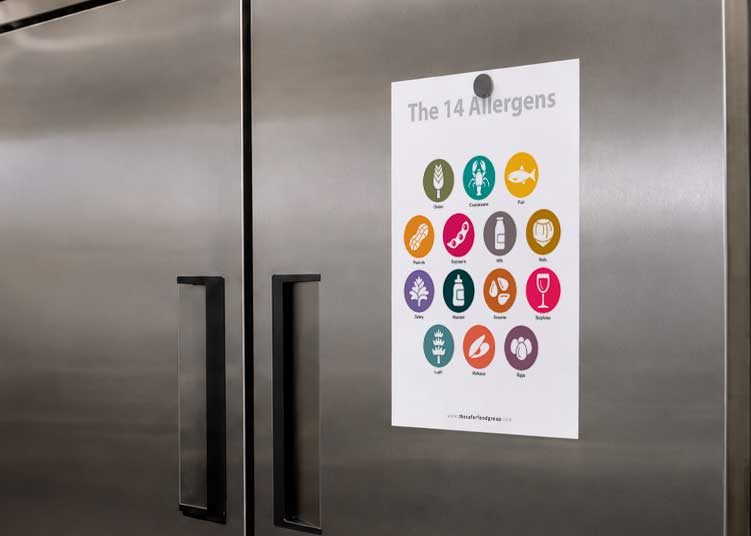


In the UK and EU, food safety legislation single out 14 common food allergens that must, by law, be declared whenever they are used as ingredients in food and drink products.
Whether you manage a commercial kitchen, run a catering operation, produce pre-packaged food, or lead a school, early years or care setting, understanding these 14 statutory allergens is a fundamental legal requirement, as well as a critical pillar of consumer safety.
The legal framework governing food allergens exists to protect consumers from severe, life-threatening reactions such as anaphylaxis, caused by food hypersensitivity. Under UK food law (specifically food information regulations and Natasha’s law for pre-packed for direct sale foods), food businesses are legally required to manage and declare allergen information accurately.
Mandatory declaration: If any of the 14 main allergens are present in a food product (even in tiny amounts), they must be clearly communicated to the customer. On packaged goods, they must be highlighted in the ingredients list (for example, using bold text or italics). For non-packaged food, like restaurant meals or school lunches, written or oral allergen information must be readily accessible.
Strict cross-contamination controls: Legally, businesses must implement robust food safety management systems such as HACCP to prevent unintended cross-contamination during storage, preparation, cooking, and service.
Staff training obligations: Food handlers and front-of-house staff must be trained to understand allergen risks, read ingredients labels, and accurately answer customer queries.
Legal penalties: Failing to declare allergens correctly or serving food that causes an allergic reaction can result in formal enforcement action, heavy fines, criminal prosecution, and irreparable damage to your business's reputation.
Some allergens are obvious, like milk in cheese or peanuts in peanut butter. However, some of these 14 ingredients are used as additives, thickeners, or flavour enhancers hidden in unexpected places.
What it includes: Wheat, rye, barley, and oats.
Health impacts: Triggers coeliac disease, wheat allergies, and non-coeliac gluten sensitivity.
Commonly found in: Bread, baked goods, baking mixes, pasta, breadcrumbs, crackers, beer, malt coffee, muesli, gluten-based additives, spreads, seasonings, condiments, sauces, chocolate bars, and cocoa drinks.
What it includes: Peanuts are botanically legumes that grow underground (sometimes called groundnuts), distinct from tree nuts.
Health impacts: Peanuts cause more deaths through severe anaphylaxis than almost any other food group.
Commonly found in: Peanut oil, peanut flour, peanut butter, curries, vegetarian meat substitutes, hydrolysed vegetable protein, sauces and dressings (chilli, pesto, gravy, satay), cakes, confectionery, marinades, and snacks.
What it includes: Almonds, walnuts, pecans, hazelnuts, Brazil nuts, cashews, pistachios, and macadamia nuts.
Commonly found in: Marzipan, nougat, nut pastes and extracts, chocolate spreads, salad dressings, sauces (barbecue, pesto), marinades, mortadella, cereals, crackers, liqueurs (Amaretto, Frangelico), desserts, flavoured coffees, and baked goods.
What it includes: Also referred to as benne seed, gingelly, and gingelly oil.
Commonly found in: Hamburger rolls, multi-grain breads, crackers, cereals, toasts, dips and spreads (hummus, chutney), stir-fries, sesame oil, sesame butter or paste (tahini), gravies, marinades, soups, and seasonings.
What it includes: Any species of fish, as well as fish oils, extracts and finings.
Commonly found in: World foods (fried rice, paella, spring rolls), salad dressings and sauces (Worcestershire sauce, soy sauce, barbecue sauce), seafood soups and broths (Bouillabaisse), beer, pizzas, dips, relishes, gelatine, and dried flavouring powders.
What it includes: Shrimp, prawns, crab, crayfish, and lobster.
Commonly found in: Asian dishes, fried rice, paella, spring rolls, seafood soups, broths, fish pastes, and specialised salad dressings or sauces.
What it includes: Clams, cockles, mussels, octopus, oysters, whelks, snails, squid (calamari), and scallops.
Commonly found in: Seafood stews, paella, spring rolls, fish sauces, oyster sauce, specialty soups, broths, and pasta dishes.
What it includes: Dried, powdered, egg whites, yolks, and egg solids.
Commonly found in: Glazes, meringue, mayonnaise, pasta, egg lecithin, sweets (nougat, marshmallows), creamy sauces (tartare, hollandaise), baked goods, custard, ice creams, specialty coffee milk toppings, and used as a clarifier in wine production.
What it includes: Butter, buttermilk, cheese, cream, curds, custards, ghee, ice cream, milk powder, whey, yogurt, and artificial butter flavours.
Commonly found in: A common hidden ingredient in processed meats, luncheon meats, salad dressings, mayonnaise, food glazes, margarine, whiteners, chocolate, peanut butter, instant mashed potatoes, caramel flavourings, crisps and snacks, and baked goods.
What it includes: Soy flour, soy milk, soy oil, soybean sprouts, and soy protein.
Commonly found in: A major hidden ingredient used to add plant-based protein. Found in soy sauce, shoyu, tamari, teriyaki, miso, tempeh, breadcrumbs, crackers, canned tuna, processed meats, vegetarian dishes, vegetable gum, protein shakes, and broths.
What it includes: Mustard seed, leaves, flowers, oil, sprouted seeds, and mustard powder.
Commonly found in: Sausages, processed meats, spice mixes, pickles, marinades, soups, sauces, chutneys, deli salads, mayonnaise, barbecue sauce, ketchup, piccalilli, pizza, and curries.
What it includes: Celery stalks, leaves, seeds, celeriac root, and celery salt.
Commonly found in: Extensively used as a flavour enhancer in stock cubes, bouillons, soups, stews, sauces, spice mixes, curries, processed meats, sausages, potato salads, and frozen food batter.
What it includes: Lupin flour, lupin seed, lupin bean, and lupin sprouts.
Commonly found in: Frequently used in continental Europe in baked goods like pastries, pies, waffles, pancakes, pasta products, pizzas, and vegetarian meat substitutes.
What it includes: Preservatives used at concentrations above 10 mg/kg or 10 mg/litre.
Commonly found in: Wine, cider, beer, bottled fruit juices, dried fruits, canned and frozen vegetables, cereals, condiments, processed potato products, starches, sugar syrups, and vinegars.
While the legal focus centres on these 14 statutory ingredients, over 170 different foods are known to trigger allergic reactions or intolerances.
Common food allergies not covered by the official 14 list include:
Kiwi fruit and strawberries
Avocado and banana (often linked to latex-fruit syndrome)
Corn/maize
Legumes beyond peanuts or soya (such as chickpeas, lentils, and peas)
Seeds beyond sesame (such as sunflower, poppy, and pumpkin seeds)
The golden rule for food safety: While you are legally required to highlight the top 14, a customer can be allergic to any ingredient. Always check product declaration panels on manufactured sauces, stocks, and seasonings. Never make assumptions; if a customer asks about an unlisted ingredient, inspect the labels and recipe or contact the supplier.
Keeping up with changing regulations, managing cross-contamination, and training your team doesn't have to be overwhelming.
Free allergen resources: Visit The Safer Food Group allergens resources section to download free allergen posters, kitchen checklists, and policy guides to help keep your business compliant.
Accredited allergy training: Ensure your staff have the skills and confidence to handle allergens safely. Explore our comprehensive suite of online allergy training courses at The Safer Food Group, tailored specifically for food handlers, school leadership teams, catering staff, and Early Years settings and managers.
In the UK and EU, food safety legislation single out 14 common food allergens that must, by law, be declared whenever they are used as ingredients in food and drink products.
Whether you manage a commercial kitchen, run a catering operation, produce pre-packaged food, or lead a school, early years or care setting, understanding these 14 statutory allergens is a fundamental legal requirement, as well as a critical pillar of consumer safety.
The legal framework governing food allergens exists to protect consumers from severe, life-threatening reactions such as anaphylaxis, caused by food hypersensitivity. Under UK food law (specifically food information regulations and Natasha’s law for pre-packed for direct sale foods), food businesses are legally required to manage and declare allergen information accurately.
Mandatory declaration: If any of the 14 main allergens are present in a food product (even in tiny amounts), they must be clearly communicated to the customer. On packaged goods, they must be highlighted in the ingredients list (for example, using bold text or italics). For non-packaged food, like restaurant meals or school lunches, written or oral allergen information must be readily accessible.
Strict cross-contamination controls: Legally, businesses must implement robust food safety management systems such as HACCP to prevent unintended cross-contamination during storage, preparation, cooking, and service.
Staff training obligations: Food handlers and front-of-house staff must be trained to understand allergen risks, read ingredients labels, and accurately answer customer queries.
Legal penalties: Failing to declare allergens correctly or serving food that causes an allergic reaction can result in formal enforcement action, heavy fines, criminal prosecution, and irreparable damage to your business's reputation.
Some allergens are obvious, like milk in cheese or peanuts in peanut butter. However, some of these 14 ingredients are used as additives, thickeners, or flavour enhancers hidden in unexpected places.
What it includes: Wheat, rye, barley, and oats.
Health impacts: Triggers coeliac disease, wheat allergies, and non-coeliac gluten sensitivity.
Commonly found in: Bread, baked goods, baking mixes, pasta, breadcrumbs, crackers, beer, malt coffee, muesli, gluten-based additives, spreads, seasonings, condiments, sauces, chocolate bars, and cocoa drinks.
What it includes: Peanuts are botanically legumes that grow underground (sometimes called groundnuts), distinct from tree nuts.
Health impacts: Peanuts cause more deaths through severe anaphylaxis than almost any other food group.
Commonly found in: Peanut oil, peanut flour, peanut butter, curries, vegetarian meat substitutes, hydrolysed vegetable protein, sauces and dressings (chilli, pesto, gravy, satay), cakes, confectionery, marinades, and snacks.
What it includes: Almonds, walnuts, pecans, hazelnuts, Brazil nuts, cashews, pistachios, and macadamia nuts.
Commonly found in: Marzipan, nougat, nut pastes and extracts, chocolate spreads, salad dressings, sauces (barbecue, pesto), marinades, mortadella, cereals, crackers, liqueurs (Amaretto, Frangelico), desserts, flavoured coffees, and baked goods.
What it includes: Also referred to as benne seed, gingelly, and gingelly oil.
Commonly found in: Hamburger rolls, multi-grain breads, crackers, cereals, toasts, dips and spreads (hummus, chutney), stir-fries, sesame oil, sesame butter or paste (tahini), gravies, marinades, soups, and seasonings.
What it includes: Any species of fish, as well as fish oils, extracts and finings.
Commonly found in: World foods (fried rice, paella, spring rolls), salad dressings and sauces (Worcestershire sauce, soy sauce, barbecue sauce), seafood soups and broths (Bouillabaisse), beer, pizzas, dips, relishes, gelatine, and dried flavouring powders.
What it includes: Shrimp, prawns, crab, crayfish, and lobster.
Commonly found in: Asian dishes, fried rice, paella, spring rolls, seafood soups, broths, fish pastes, and specialised salad dressings or sauces.
What it includes: Clams, cockles, mussels, octopus, oysters, whelks, snails, squid (calamari), and scallops.
Commonly found in: Seafood stews, paella, spring rolls, fish sauces, oyster sauce, specialty soups, broths, and pasta dishes.
What it includes: Dried, powdered, egg whites, yolks, and egg solids.
Commonly found in: Glazes, meringue, mayonnaise, pasta, egg lecithin, sweets (nougat, marshmallows), creamy sauces (tartare, hollandaise), baked goods, custard, ice creams, specialty coffee milk toppings, and used as a clarifier in wine production.
What it includes: Butter, buttermilk, cheese, cream, curds, custards, ghee, ice cream, milk powder, whey, yogurt, and artificial butter flavours.
Commonly found in: A common hidden ingredient in processed meats, luncheon meats, salad dressings, mayonnaise, food glazes, margarine, whiteners, chocolate, peanut butter, instant mashed potatoes, caramel flavourings, crisps and snacks, and baked goods.
What it includes: Soy flour, soy milk, soy oil, soybean sprouts, and soy protein.
Commonly found in: A major hidden ingredient used to add plant-based protein. Found in soy sauce, shoyu, tamari, teriyaki, miso, tempeh, breadcrumbs, crackers, canned tuna, processed meats, vegetarian dishes, vegetable gum, protein shakes, and broths.
What it includes: Mustard seed, leaves, flowers, oil, sprouted seeds, and mustard powder.
Commonly found in: Sausages, processed meats, spice mixes, pickles, marinades, soups, sauces, chutneys, deli salads, mayonnaise, barbecue sauce, ketchup, piccalilli, pizza, and curries.
What it includes: Celery stalks, leaves, seeds, celeriac root, and celery salt.
Commonly found in: Extensively used as a flavour enhancer in stock cubes, bouillons, soups, stews, sauces, spice mixes, curries, processed meats, sausages, potato salads, and frozen food batter.
What it includes: Lupin flour, lupin seed, lupin bean, and lupin sprouts.
Commonly found in: Frequently used in continental Europe in baked goods like pastries, pies, waffles, pancakes, pasta products, pizzas, and vegetarian meat substitutes.
What it includes: Preservatives used at concentrations above 10 mg/kg or 10 mg/litre.
Commonly found in: Wine, cider, beer, bottled fruit juices, dried fruits, canned and frozen vegetables, cereals, condiments, processed potato products, starches, sugar syrups, and vinegars.
While the legal focus centres on these 14 statutory ingredients, over 170 different foods are known to trigger allergic reactions or intolerances.
Common food allergies not covered by the official 14 list include:
Kiwi fruit and strawberries
Avocado and banana (often linked to latex-fruit syndrome)
Corn/maize
Legumes beyond peanuts or soya (such as chickpeas, lentils, and peas)
Seeds beyond sesame (such as sunflower, poppy, and pumpkin seeds)
The golden rule for food safety: While you are legally required to highlight the top 14, a customer can be allergic to any ingredient. Always check product declaration panels on manufactured sauces, stocks, and seasonings. Never make assumptions; if a customer asks about an unlisted ingredient, inspect the labels and recipe or contact the supplier.
Keeping up with changing regulations, managing cross-contamination, and training your team doesn't have to be overwhelming.
Free allergen resources: Visit The Safer Food Group allergens resources section to download free allergen posters, kitchen checklists, and policy guides to help keep your business compliant.
Accredited allergy training: Ensure your staff have the skills and confidence to handle allergens safely. Explore our comprehensive suite of online allergy training courses at The Safer Food Group, tailored specifically for food handlers, school leadership teams, catering staff, and Early Years settings and managers.
Join 950,000+ learners
Explore our award winning online video based training

The Safer Food Group
Unit 2, Integrity House,
Lower Lumsdale, Matlock
DE4 5EX

Back
to top
© The Safer Food Group 2026 | Privacy policy