Food & safety
Managing Listeria in Care and Healthcare Settings
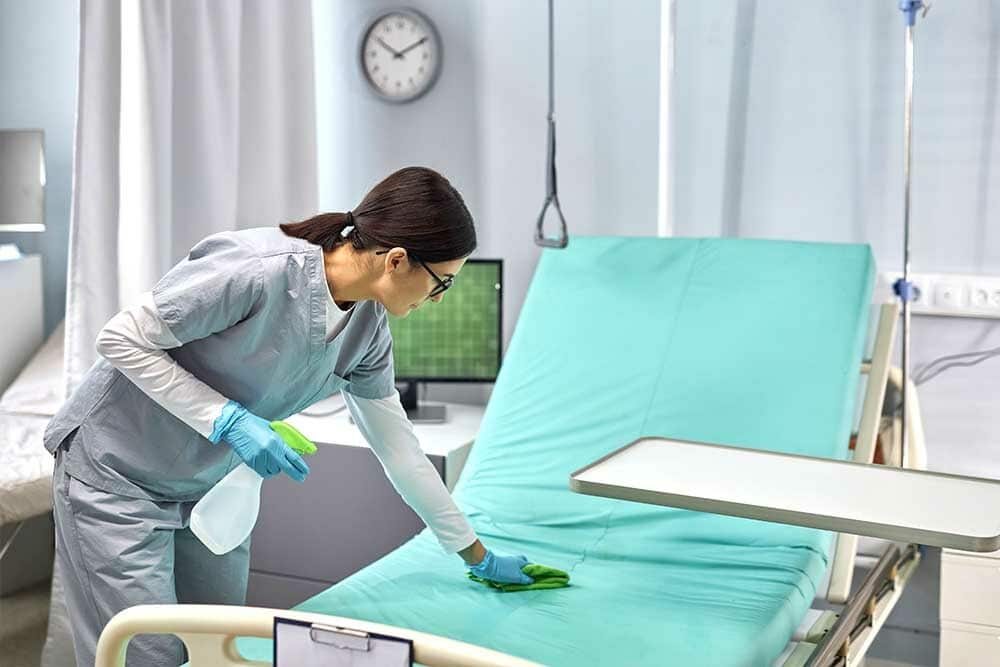


When we think about food safety, our minds usually go straight to the kitchen. We think about hairnets, thermometers, and use-by dates. But in complex environments like hospitals and care homes, those threats can reach beyond the kitchen and infiltrate the entire environment.
Listeria monocytogenes is a resilient traveller. To keep vulnerable residents and patients safe, we must first understand the pathogen and how it behaves.
Listeria (Listeria monocytogenes) is a type of harmful bacteria found in many everyday places, such as soil, water, plants and surfaces. Most bacteria struggle to grow in cold conditions, but Listeria is different. It can grow in fridges, survive in damp areas, and hide on equipment or surfaces even when they look clean. Because it can live for a long time and multiply in chilled foods, even low numbers of the pathogen can quickly become dangerous if it is not controlled.
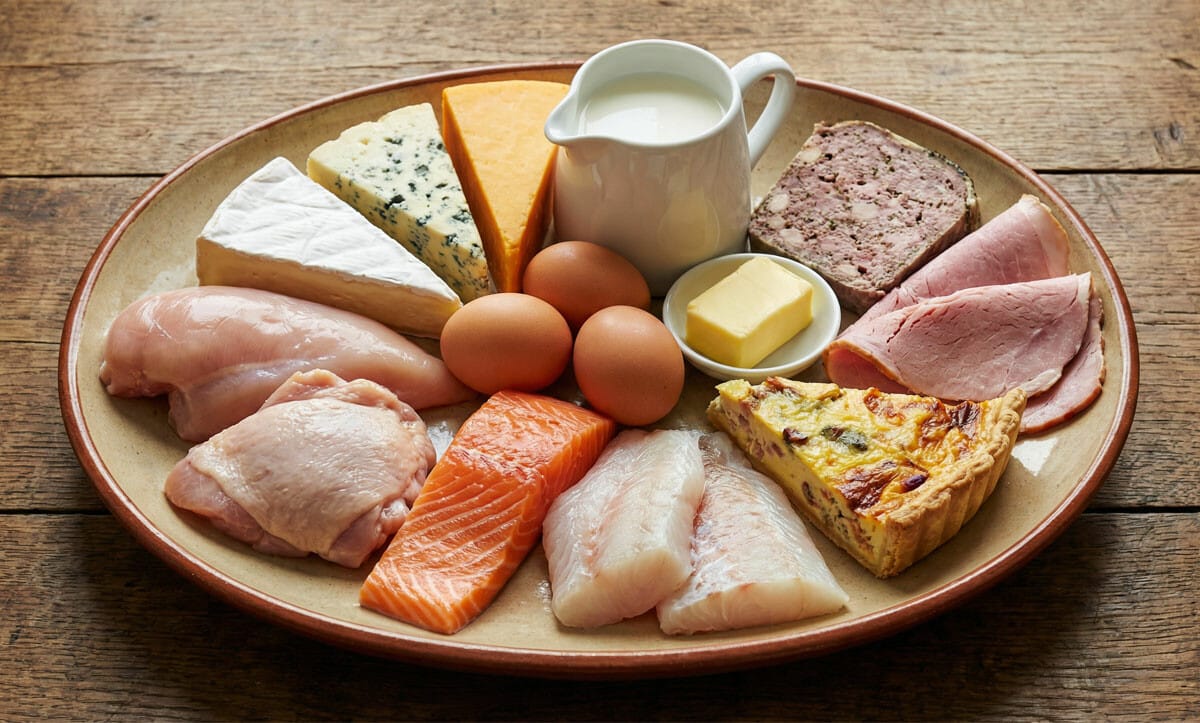
People usually become ill by eating ready-to-eat foods contaminated with Listeria. As ready-to-eat foods have no cooking or reheating process to destroy the bacteria, these foods present the highest risk.
Common symptoms include fever, muscle aches, sickness and diarrhoea. In people who are more vulnerable, the illness can become very serious and may lead to conditions such as blood poisoning or meningitis.
Listeria is not the most common bacteria, but when it develops in food, the effects can be life-threatening. This is why the Food Standards Agency (FSA) stresses that preventing the spread of Listeria is essential in care and healthcare settings. Understanding what Listeria is, and how it behaves, is the first step in keeping people safe.
Anyone can become ill from Listeria, but some people are at much higher risk because their bodies cannot fight infection as well.
People at highest risk include:
In many care and healthcare services, a large number of people fall into these groups. This means that even a small mistake - such as a fridge running too warm, food being left out too long, or a surface not being cleaned properly - can have serious consequences.
Listeriosis can also take days or even weeks to show symptoms. By the time the first cases are spotted, many more people may already be infected. This explains why it is so important to prevent the spread of growth and spread of listeria through everyday tasks like checking fridge temperatures, storing food safely and cleaning properly.
Recent UK incidents show how quickly Listeria can spread and how serious the outcomes can be, especially in hospitals and care homes. Learning from these events helps prevent the same mistakes from happening again.
Most outbreaks involved the same types of problems:
These examples show how easily Listeria can spread and how quickly vulnerable people can be harmed. They also highlight why strong food safety controls, good cleaning, and consistent staff routines are essential in keeping everyone safe.
In a healthcare setting, no room is truly sealed. Kitchens, wards, treatment rooms, and corridors are all connected by the constant flow of people and equipment. If Listeria finds a foothold in a ward kitchenette or a shared bathroom, it doesn’t stay there. It hitches a ride.
Listeria loves moisture and cold. Unlike many other bacteria, it can thrive in fridges and freezers. It hides in the places we often overlook:
Every time a staff member moves from a patient's room to a service area, or a waste trolley rolls down a corridor, there is a risk of cross-contamination. When dirty tasks such as waste handling and clean tasks like food service overlap without strict controls, the environment becomes a highway for bacteria.
One of the greatest challenges in the control of Listeria is the biofilm. Think of a biofilm as a shield for bacteria. It’s a thin, sticky layer that attaches to surfaces, protecting the Listeria underneath from standard wipes and light cleaning. Once established in a crack or a drain, a biofilm allows the pathogen to repeatedly re-contaminate the area. You might clean the surface, but the bacteria underneath survive and quickly spread again.
Biofilms commonly form in damp areas, hard-to-clean spaces, damaged surfaces, frequently touched areas, and places that stay moist for long periods. Typical high-risk locations include door seals and gaskets, drains, sinks, taps, floor edges, cracked flooring, fridge and freezer interiors, and equipment with joints, screws, or crevices.
Preventing biofilms through consistent cleaning and moisture control is far easier than removing them once they are established. The aim is to make the entire building hostile to Listeria and to deal effectively with any biofilms that develop.
To prevent and remove biofilms:
Learning how to defeat biofilms successfully, to produce and serve safe food and to break the chain of contamination that can spread the pathogen rapidly around your setting are the three crucial steps in protecting your patients, service users and residents against the threat of Listeria. Everyone working in a health and care setting is responsible for the safety of those around them - time invested in learning about Listeria and our role in its defeat is time truly well spent.
The Safer Food Group has worked with NHS partners to develop their latest course, aimed at anyone working in a Health or Care setting. Addressing the specific challenges of Listeria prevention, both in the working environment and within foods, Understanding Listeria looks at causes, prevention and good practice. View course syllabus and outcomes, pricing and demo chapter for further info, or contact us at info@thesaferfoodgroup.com
Join 950,000+ learners
Explore our award winning online video based training

The Safer Food Group
Unit 2, Integrity House,
Lower Lumsdale, Matlock
DE4 5EX

Back
to top
© The Safer Food Group 2026 | Privacy policy