Food & safety
The 4 types of food contamination: A practical guide for food businesses


Food safety relies on understanding how contamination occurs and taking steps to prevent it. Food contamination is split into four categories: microbiological (bacterial), physical, chemical, and allergenic.
This guide breaks down each type of contamination, how to prevent it, and key food safety statistics to help you maintain a compliant food safety management system.
2.4 million cases of foodborne illness occur in the UK each year, according to the Food Standards Agency (FSA).
£11.8 billion is the estimated annual societal cost of foodborne illness in the UK.
52% of consumers state that a rating of 4 or 5 on the Food Hygiene Rating Scheme (FHRS) is their minimum threshold when deciding where to eat.
78.2% of UK food businesses hold the top rating of 5 ("Very Good").
Pathogenic bacteria are invisible to the naked eye, making them difficult to detect. They are a primary cause of food poisoning and thrive when specific conditions are met.
Bacteria travel via 'vehicles' such as people, utensils, equipment, and pests. Cross-contamination occurs when pathogens transfer from raw food to ready-to-eat items.
Physical contamination happens when foreign objects fall into food, creating choking hazards or harbouring bacteria.
Chemical hazards cause severe illness if ingested or if strong odours taint food products.
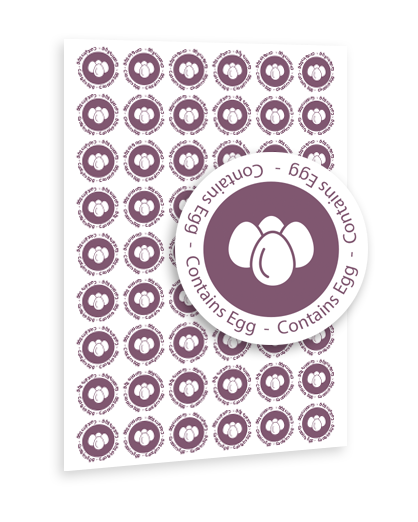
An allergic reaction occurs when the immune system mistakenly attacks a food protein, which can cause life-threatening anaphylactic shock.
The law recognizes 14 main allergens that must be managed and declared:
The four main types are microbiological (bacterial), physical, chemical, and allergenic contamination.
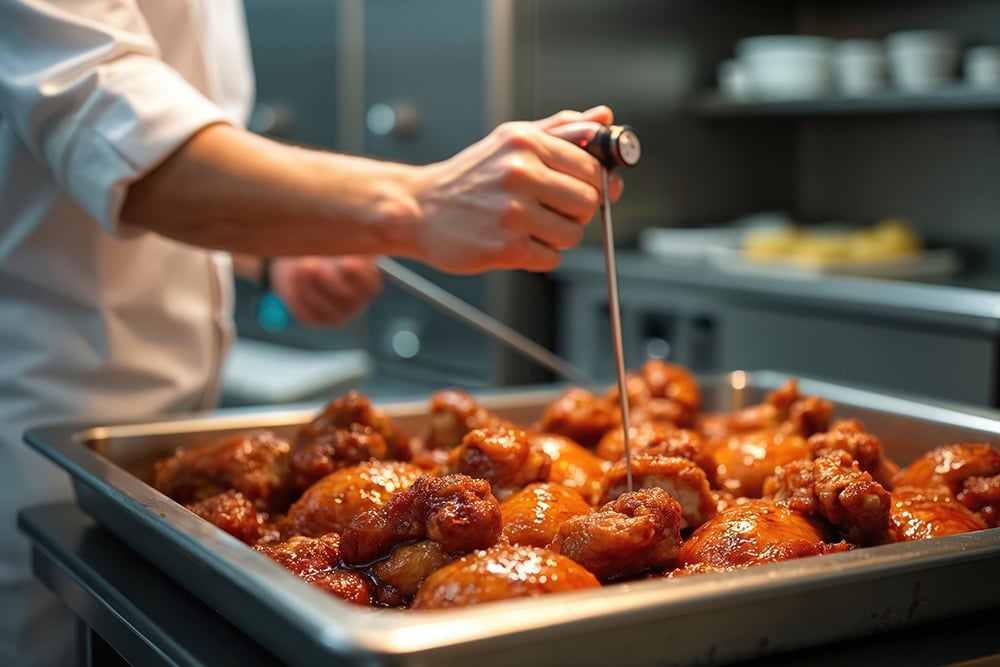
The danger zone is the temperature range between 8°C and 63°C, where pathogenic bacteria multiply most rapidly. Food should be kept out of this temperature range whenever possible.
Cross-contamination occurs when harmful bacteria or allergens transfer from one surface, person, or raw food item to another ready-to-eat food item.
Vulnerable groups include the elderly, young children, pregnant women, and individuals with weakened immune systems or pre-existing health conditions.
A vehicle of contamination is anything that carries bacteria from one place to another, such as hands, tea towels, knives, chopping boards, or pests.
We've given you a very brief tour of the different types of contamination, and some top tips to avoid them - but if you're running or working in a food business, you'll need to know how your everyday actions can prevent risks - such as contamination - that may harm your customers. A Level 2 Food Hygiene course is a great starting place for food handlers, but if you are running a food operation or supervising a team, The Safer Food Group's City & Guilds assured Level 3 Food Supervisor course gives you some deeper understanding of these risks, as well as guidance on how to help your team put good habits into practice.
Join 950,000+ learners
Explore our award winning online video based training

The Safer Food Group
Unit 2, Integrity House,
Lower Lumsdale, Matlock
DE4 5EX

Back
to top
© The Safer Food Group 2026 | Privacy policy