Food & safety
What's the difference? Food allergies, intolerances and auto-immune diseases



Awareness about allergies, intolerances and auto-immune diseases is thankfully increasing within the UK. Legislation, policies and guidance continue to be put in place to direct food businesses in the most effective ways to support their customers. But incidents and accidents continue to occur, and eating out can feel anything but safe for people who may suffer adverse reactions to food.
We examine the difference between the three most common conditions, and ask what processes and strategies are most effective to keep customers safe.
Every year in the UK thousands of hospitalisations and multiple deaths occur as a result of adverse reactions to certain foods. Food allergies, intolerances and coeliac disease present serious life-threatening or life-altering consequences to sufferers. It is crucial that everyone connected with the production, sale and service of food understands how adverse food reactions occur and what actions and processes in the kitchen may cause harm if not completed correctly.
Food allergy
A food allergy occurs when the body's immune system reacts unusually to specific foods.
The allergic reaction can range from mild, for example a rash, to violent and life threatening, for example difficulty breathing and even death. The more serious reactions are referred to as Anaphylactic shock which usually happens within seconds or minutes of eating even a small amount of the food. A common food people develop a serious allergy to is peanuts. In some cases even breathing in a tiny amount of peanut fragments or dust can be sufficient to trigger a life threatening attack.
Food intolerance
A food intolerance occurs when someone has difficulty digesting certain foods and can have an unpleasant though rarely life threatening physical reaction.
Symptoms can range from mild bloating and stomach pain, to severe digestive system disorders. Food intolerances usually occur over a longer period, often building up over time. The most common food intolerance globally is lactose. Lactose is an enzyme found in dairy products - which are themselves found as an unexpected ingredient in many processed foods.
Coeliac disease is a life threatening condition linked to the presence of gluten in the diet. Coeliac disease is not an allergy or an intolerance. Once developed, it is a lifelong autoimmune condition where the body’s immune system mistakenly attacks its own healthy tissues when gluten is consumed.
In a healthy gut, tiny finger-like projections called villi line the small intestine to absorb nutrients. In coeliac disease, these villi become flattened and inflamed. This leads to malabsorption, causing long-term issues like anaemia, osteoporosis, and extreme fatigue. The treatment of coeliac disease is a strict, lifelong gluten-free diet. Even trace cross-contamination can cause internal damage, even if the person feels no symptoms.
For Coeliacs, the presence of even small amounts of gluten in the diet can permanently damage the body’s ability to digest food. Gluten is found in cereals including wheat, oats, barley and rye, all used extensively in the food industry including in the production of flour. Even gluten-removed foods can cause damage to someone with coeliac disease.
Coeliac disease is often misunderstood as an intolerance to gluten - but as you will see from the table below, the causes and symptoms are quite different.
| Coeliac Disease | Food Allergy | Food Intolerance | |
| Type of Reaction | Autoimmune | Immune (IgE) | Digestive/Chemical |
| System Involved | Immune system (attacks itself) | Immune system (mistakes food for threat) | Digestive system (difficulty processing food) |
| Onset of Symptoms | Delayed (hours to days) | Rapid (minutes to 2 hours) | Often delayed (hours to days) |
| Affected by | Trace amounts (mg) | Trace amounts (mg) | Some sufferers may tolerate small amounts |
| Diagnosis | Blood test & Biopsy | Skin prick / IgE Blood test | Exclusion diet |
(In keeping with standard food safety policy, in this section we have used the term 'allergenic ingredients' or 'allergenic hazards' to describe any food or ingredient that could cause an adverse reaction due to allergy, intolerance or coeliac disease)
To prevent allergenic hazards entering food, food businesses must put control measures in place, including:
Producing a dish that is safe for someone with adverse reactions starts before their order is taken. Cross contamination can take place before a single ingredient is used, even before they enter your premises.
The key to this stage is ensuring that no ingredient can mix with any other before you receive them, during delivery or storage. Thorough supplier audits, good processes for receiving foods into your premises and storage solutions that keep ingredients securely separated are vital foundations to producing safe food.
The key to producing 'allergen free' food is to prevent a specific allergenic ingredient entering the non-allergenic dish you are creating; even minute quantities can cause adverse reactions. Cross contamination of ingredients can occur when an ingredient is passed from surface to surface - think about hands, utensils, work surfaces and equipment. Traces of ingredients can also travel through liquids - consider traces of gluten that will be found in oil after frying a battered piece of cod. That oil is now unsuitable for foods prepared for someone who is intolerant to gluten, and can cause very serious harm to anyone with coeliac disease.
Allergenic ingredients can even circulate through air - we all know of the risk to peanut allergy sufferers on planes. Therefore it’s very important to think food preparation through carefully.
There is very little point in carefully preparing 'safe' food if the process fails when the food is served. The objective is to prevent cross contamination within the food service area, the retail area where the product is sold and the delivery process leading up to the handover of home-delivered foods.
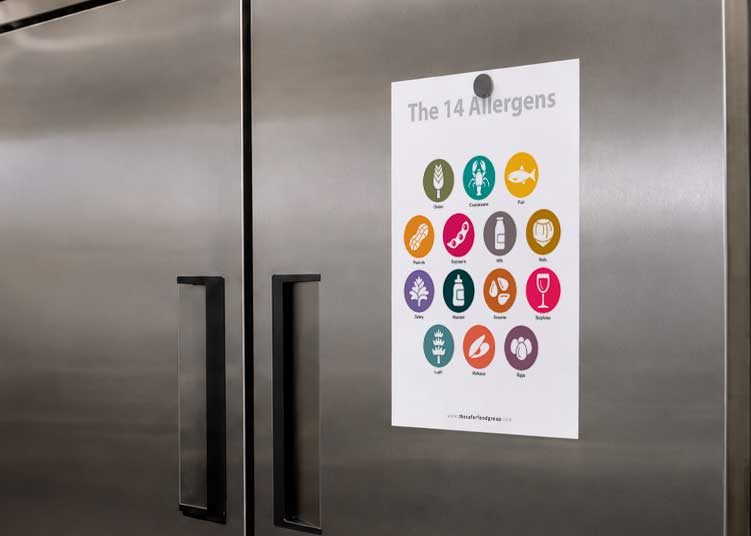
Creating a safe customer environment includes providing clear information for your customers. Methods of communication with customers include display signage, labelling on packaging, information on menus and verbally. Some allergen communication requirements are specified by law, and depend on how your food is prepared and sold. If you work in a food business, make sure you’re confident you know what to do when working with allergenic ingredients and answering questions from customers.
In conclusion, the three major causes of adverse food reactions - allergies, intolerances and coeliac disease - have striking similarities and a number of differences. But all customers of food businesses deserve to be kept safe, through good systems and processes and clear customer communications.
Understanding the challenges faced by people with adverse food reactions helps food businesses to create a safer environment for all. Charities including Coeliac UK offer excellent information, insights and resources, and campaign for greater awareness.
At The Safer Food Group, as well as allergy training for teams and supervisors in food businesses, we provide free advice and guidance through our Knowledge blog - like this post! If you would like to arrange training for your team or business, drop us a message on info@thesaferfoodgroup.com and let us know how we can help.
The information above was adapted from the Safer Food group's Level 2 Allergy Awareness training and Level 2 Food Safety training.
Awareness about allergies, intolerances and auto-immune diseases is thankfully increasing within the UK. Legislation, policies and guidance continue to be put in place to direct food businesses in the most effective ways to support their customers. But incidents and accidents continue to occur, and eating out can feel anything but safe for people who may suffer adverse reactions to food.
We examine the difference between the three most common conditions, and ask what processes and strategies are most effective to keep customers safe.
Every year in the UK thousands of hospitalisations and multiple deaths occur as a result of adverse reactions to certain foods. Food allergies, intolerances and coeliac disease present serious life-threatening or life-altering consequences to sufferers. It is crucial that everyone connected with the production, sale and service of food understands how adverse food reactions occur and what actions and processes in the kitchen may cause harm if not completed correctly.
Food allergy
A food allergy occurs when the body's immune system reacts unusually to specific foods.
The allergic reaction can range from mild, for example a rash, to violent and life threatening, for example difficulty breathing and even death. The more serious reactions are referred to as Anaphylactic shock which usually happens within seconds or minutes of eating even a small amount of the food. A common food people develop a serious allergy to is peanuts. In some cases even breathing in a tiny amount of peanut fragments or dust can be sufficient to trigger a life threatening attack.
Food intolerance
A food intolerance occurs when someone has difficulty digesting certain foods and can have an unpleasant though rarely life threatening physical reaction.
Symptoms can range from mild bloating and stomach pain, to severe digestive system disorders. Food intolerances usually occur over a longer period, often building up over time. The most common food intolerance globally is lactose. Lactose is an enzyme found in dairy products - which are themselves found as an unexpected ingredient in many processed foods.
Coeliac disease is a life threatening condition linked to the presence of gluten in the diet. Coeliac disease is not an allergy or an intolerance. Once developed, it is a lifelong autoimmune condition where the body’s immune system mistakenly attacks its own healthy tissues when gluten is consumed.
In a healthy gut, tiny finger-like projections called villi line the small intestine to absorb nutrients. In coeliac disease, these villi become flattened and inflamed. This leads to malabsorption, causing long-term issues like anaemia, osteoporosis, and extreme fatigue. The treatment of coeliac disease is a strict, lifelong gluten-free diet. Even trace cross-contamination can cause internal damage, even if the person feels no symptoms.
For Coeliacs, the presence of even small amounts of gluten in the diet can permanently damage the body’s ability to digest food. Gluten is found in cereals including wheat, oats, barley and rye, all used extensively in the food industry including in the production of flour. Even gluten-removed foods can cause damage to someone with coeliac disease.
Coeliac disease is often misunderstood as an intolerance to gluten - but as you will see from the table below, the causes and symptoms are quite different.
| Coeliac Disease | Food Allergy | Food Intolerance | |
| Type of Reaction | Autoimmune | Immune (IgE) | Digestive/Chemical |
| System Involved | Immune system (attacks itself) | Immune system (mistakes food for threat) | Digestive system (difficulty processing food) |
| Onset of Symptoms | Delayed (hours to days) | Rapid (minutes to 2 hours) | Often delayed (hours to days) |
| Affected by | Trace amounts (mg) | Trace amounts (mg) | Some sufferers may tolerate small amounts |
| Diagnosis | Blood test & Biopsy | Skin prick / IgE Blood test | Exclusion diet |
(In keeping with standard food safety policy, in this section we have used the term 'allergenic ingredients' or 'allergenic hazards' to describe any food or ingredient that could cause an adverse reaction due to allergy, intolerance or coeliac disease)
To prevent allergenic hazards entering food, food businesses must put control measures in place, including:
Producing a dish that is safe for someone with adverse reactions starts before their order is taken. Cross contamination can take place before a single ingredient is used, even before they enter your premises.
The key to this stage is ensuring that no ingredient can mix with any other before you receive them, during delivery or storage. Thorough supplier audits, good processes for receiving foods into your premises and storage solutions that keep ingredients securely separated are vital foundations to producing safe food.
The key to producing 'allergen free' food is to prevent a specific allergenic ingredient entering the non-allergenic dish you are creating; even minute quantities can cause adverse reactions. Cross contamination of ingredients can occur when an ingredient is passed from surface to surface - think about hands, utensils, work surfaces and equipment. Traces of ingredients can also travel through liquids - consider traces of gluten that will be found in oil after frying a battered piece of cod. That oil is now unsuitable for foods prepared for someone who is intolerant to gluten, and can cause very serious harm to anyone with coeliac disease.
Allergenic ingredients can even circulate through air - we all know of the risk to peanut allergy sufferers on planes. Therefore it’s very important to think food preparation through carefully.
There is very little point in carefully preparing 'safe' food if the process fails when the food is served. The objective is to prevent cross contamination within the food service area, the retail area where the product is sold and the delivery process leading up to the handover of home-delivered foods.
Creating a safe customer environment includes providing clear information for your customers. Methods of communication with customers include display signage, labelling on packaging, information on menus and verbally. Some allergen communication requirements are specified by law, and depend on how your food is prepared and sold. If you work in a food business, make sure you’re confident you know what to do when working with allergenic ingredients and answering questions from customers.
In conclusion, the three major causes of adverse food reactions - allergies, intolerances and coeliac disease - have striking similarities and a number of differences. But all customers of food businesses deserve to be kept safe, through good systems and processes and clear customer communications.
Understanding the challenges faced by people with adverse food reactions helps food businesses to create a safer environment for all. Charities including Coeliac UK offer excellent information, insights and resources, and campaign for greater awareness.
At The Safer Food Group, as well as allergy training for teams and supervisors in food businesses, we provide free advice and guidance through our Knowledge blog - like this post! If you would like to arrange training for your team or business, drop us a message on info@thesaferfoodgroup.com and let us know how we can help.
The information above was adapted from the Safer Food group's Level 2 Allergy Awareness training and Level 2 Food Safety training.
Join 950,000+ learners
Explore our award winning online video based training

The Safer Food Group
Unit 2, Integrity House,
Lower Lumsdale, Matlock
DE4 5EX

Back
to top
© The Safer Food Group 2026 | Privacy policy