Our allergy awareness course for early years provides essential training for anyone preparing, serving or supervising food for young children. It explains how to identify and manage food allergies in early years settings, understand legal requirements, and prevent allergen risks during meal preparation, service and daily activities. Learners examine the 14 major allergens, common hidden ingredients and the difference between allergies and intolerances, gaining the confidence to keep children safe.
Developed with food safety specialists and early-years experts, this fully online course teaches practical controls for preventing cross-contact, communicating with parents and carers, maintaining accurate records and responding to emergencies. It supports compliance with Natasha’s Law, the Food Information Regulations 2014 and the EYFS statutory framework, helping childcare providers demonstrate due diligence during Ofsted or environmental health inspections.
Fully accredited by City & Guilds CPD UK, this training leads to a recognised Level 2 award suitable for nurseries, preschools, childminders and early-years staff responsible for children’s meals.
Course Level: Intermediate Reference: AAAEY2CGA26 Accreditations: City & Guilds, CPD Certificate: Instant PDF download - Self printed
Get your allergy awareness training today
What you'll learn
-
 UK allergen law including Natasha’s Law and the Food Information Regulations
-
The difference between allergies, intolerances and anaphylaxis
-
The 14 major allergens and common early-years food sources
-
Requirements for early-years menus, labels and parent communication
-
Cross-contact risks during storage, preparation, service and activities
-
How to create allergen-safe meal routines under EYFS
-
Emergency response to allergic reactions and anaphylaxis
-
Record keeping, due diligence and allergen management systems
Who should take this course
This Level 2 allergy awareness course is designed for anyone working in a childcare or early education setting where food is provided. It is suitable for:
- Nursery practitioners and preschool staff
- Childminders and assistants
- Nursery cooks and early-years catering teams
- Playworkers, lunchtime supervisors and wraparound-care staff
- Early-years teachers responsible for food activities or snack times
It is ideal for settings needing food allergy training for childcare and supports compliance across nurseries, preschools, childminding settings and EYFS-regulated environments.
Course overview
The Early Years version follows the national Level 2 Allergy Awareness syllabus while tailoring guidance to young children’s needs. Learners explore how allergen management links directly to safeguarding responsibilities, how to prevent cross-contact during busy childcare routines and how to maintain accurate communication with colleagues and parents. The course equips early-years teams to provide safe, inclusive meal provision and meet legal and EYFS expectations.
This chapter explains the legal duties that Early years settings must meet under the Food Information Regulations 2014, Natasha’s Law and the EYFS statutory framework. Learners explore who is responsible for allergen compliance, how allergen rules apply to nurseries and preschools and why accurate documentation is essential for safeguarding young children.
This chapter defines the difference between food allergies and intolerances and explains how allergic reactions occur. Learners understand mild and severe symptoms, how to recognise anaphylaxis and why children can be more vulnerable to rapid or unexpected reactions.
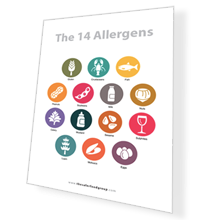
This chapter introduces the 14 major allergens, including common food sources found in early-years menus. It highlights risks from hidden ingredients, recipe substitutions and shared equipment, helping learners identify allergen hazards before food is prepared or served.
This chapter covers labelling rules for prepacked, PPDS and non-prepacked foods and explains the written and verbal information that must be communicated to parents and carers. Learners explore how to maintain accurate nursery menus, allergen lists and child-specific dietary records.
This chapter explains how allergens spread through surfaces, storage, equipment and food handling. Learners study safe preparation practices, separate workflow routines, effective cleaning and measures to prevent cross-contact during cooking and service.
This chapter highlights the role of communication in keeping children safe. Learners explore how to verify allergen-safe meals, record special requirements, communicate confidently with parents and carers, and ensure colleagues understand individual children’s allergen needs.
This module explains how to recognise anaphylaxis, the steps to take in an emergency and how adrenaline auto-injectors (EpiPens) are used. It reinforces calm, immediate response procedures and the importance of reporting, recording and reviewing incidents under EYFS safeguarding requirements.
This chapter covers allergen matrices, menu records, due diligence documentation and child-specific dietary logs. Learners understand how consistent records support compliance with food allergy law, EYFS safeguarding duties and inspections by Ofsted and environmental health officers.
14 allergens poster
Do I have to do any other courses first?
There are no entry requirements for this course, although having a good foundation in food safety knowledge is helpful and can be gained through experience in your role or by completing Level 2 Food Safety training.
Course features
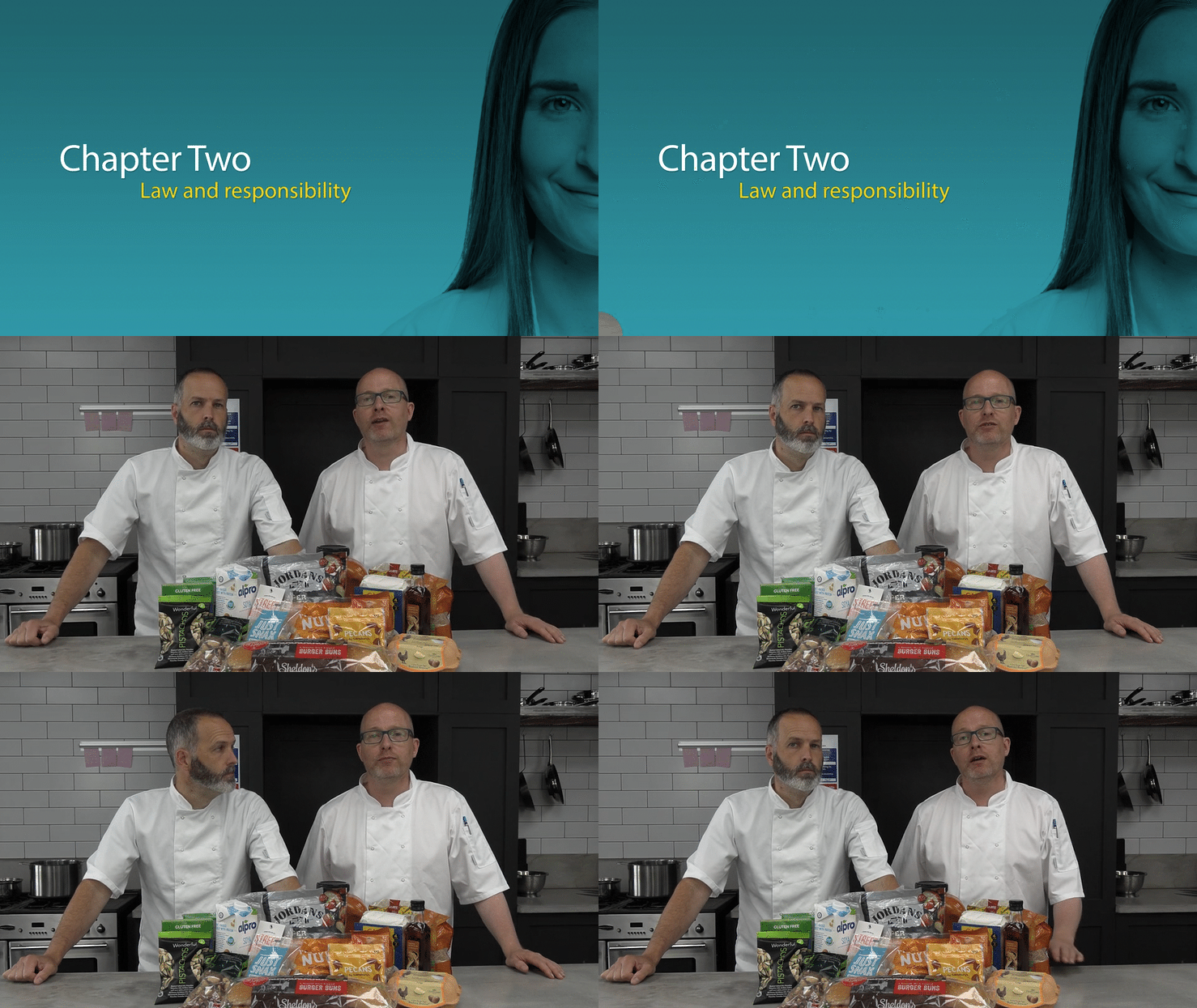
Try our sample chapter - Law and responsibility
Frequently asked questions
Individual learners have 30 days from registration to complete the course and final assessment. Business buyers have 12 months to allocate course codes, with each learner receiving 30 days of access from activation. Extensions can usually be arranged on request.
Most learners complete the course in two to four hours, depending on experience. A minimum study period applies before the exam unlocks to support understanding.
You’ll receive unlimited free exam retakes. The exam has 20 multiple-choice questions and the pass mark is 16 out of 20. If you don’t pass on the first attempt, you’ll receive guidance on which topics to review.
Yes. This course meets UK legal requirements for allergen training and aligns with EYFS safeguarding and welfare responsibilities. It has been developed with industry experts to ensure compliance with food allergy law.
Young children are particularly vulnerable to allergic reactions. This training helps staff prevent cross-contact, communicate dietary requirements accurately and respond quickly in emergencies.
Most food safety certificates are valid for three years, although some employers or local authorities may request training more frequently.
Food hygiene focuses on general food safety practices. Allergy awareness provides detailed training on managing allergenic ingredients, preventing cross-contact and communicating allergen information safely.
Our awarding bodies
Quality assurance is an important part of Safer Food Group training. We use external experts to review and accredit our courses for academic rigour, fit for purpose, accuracy and currency. This means that you can trust The Safer Food Group to deliver high quality, effective training.

Measured against their global benchmark, City & Guilds validates how The Safer Food Group's plans, designs, maintains and evaluates training programmes. City & Guilds is a trusted academic leader sought by learners, educators, and employers around the world.
All SFG courses carry CPD credits. This means that CPD UK has verified SFG training is of suitable quality and content to count towards Continued Professional Development.