This level 2 food hygiene and safety for manufacturing course provides the essential knowledge required to handle ingredients safely, prevent contamination and maintain compliance in food and drink production environments. It replaces what were previously known as basic food hygiene courses, offering the updated Level 2 training now expected across the manufacturing sector.
With clear video guidance, accessible written content and interactive learning, this training supports production workers, supervisors and operatives in developing confidence in safe food handling. It’s suitable for anyone working in factories, breweries, meat processing plants, packaging facilities or any manufacturing setting where food is produced, processed or packed.
Fully accredited by City & Guilds and CPD UK, this level 2 food safety and hygiene for manufacturing award helps businesses meet legal requirements and maintain robust hygiene standards across all stages of production.
Course Level: 2 Reference: AFSM2CGA26 Accreditations: City & Guilds, CPD Certificate: Instant PDF download
Get your food hygiene certificate today
What you'll learn
-
 UK food safety law and responsibilities in manufacturing
-
Microbiological hazards and how bacteria multiply
-
Contamination risks and how to prevent them
-
Physical, chemical and allergenic hazards in production
-
Safe ingredient handling, storage and temperature control
-
Cleaning, sanitising and waste management
-
Pest identification and prevention
-
Introduction to HACCP in manufacturing environments
Who should take this course
This Level 2 Manufacturing course is suitable for:
- Production line operatives
- Food and drink manufacturing staff
- Brewery, meat processing and packaging teams
- Supervisors and technical operatives
- Anyone handling ingredients or food products in manufacturing settings
The Level 2 Food Hygiene course was previously known as Basic food hygiene or Safer food handler.
Course overview
The manufacturing version of the Level 2 Award provides a complete introduction to food hygiene practices used throughout food and drink production. Learners explore the risks, controls and legal requirements specific to manufacturing environments, helping them maintain safe processes from raw ingredients to finished products.
Understanding how contamination leads to food poisoning is central to safe manufacturing. This module explains the different types of contamination, including cross-contamination and vehicles of contamination, and highlights the practices that commonly cause food to become unsafe. Learners examine the symptoms and effects of food poisoning and consider which groups are most vulnerable to serious illness. The module encourages awareness of how contamination can occur at any stage of production and how preventative behaviour supports safer workplaces
Food manufacturers must follow strict legal requirements, and this module introduces the obligations of both food business operators and food handlers. Learners explore the consequences of failing to comply with food safety or food labelling law and discover why the principle of Due Diligence is vital in a manufacturing setting. The powers and responsibilities of Environmental Health Officers are explained, along with what they look for during inspections and how legal compliance protects both consumers and businesses.
Manufacturing environments must control microbiological threats carefully. This module explores harmful bacteria and viruses, their characteristics and the conditions that allow or interrupt their multiplication. Learners examine the danger zone, the risks linked to spores and toxins and the difference between high-risk and low-risk foods. The module reinforces the consequences of failing to prevent contamination or allowing bacteria to grow at any stage of production.
Foreign objects, cleaning chemicals and allergenic ingredients all pose significant risks in manufacturing settings. This module helps learners identify these hazards, understand the controls needed to reduce them and appreciate the serious consequences of inadequate management. Allergen risks receive particular attention, with explanations of how small errors can affect allergy sufferers and examples of controls that help limit these threats.
Safe manufacturing relies on documented, risk-assessed processes, and this module introduces the purpose and legal basis of HACCP. Learners explore how HACCP systems support safe production and how food handlers contribute to monitoring and maintaining those controls. The module also highlights the importance of accurate record keeping and outlines examples of documentation used to demonstrate compliance in food processing environments.
Maintaining clean, organised premises is essential in manufacturing. This module explains the facilities required to meet minimum legal standards and the importance of separating tasks to prevent cross-contamination. Learners study approved cleaning methods, the value of documented cleaning schedules and safe approaches to handling and disposing of waste. The module also covers how to identify evidence of pest activity and why prompt action is necessary to protect food safety.
Food manufacturing relies on effective preservation and storage techniques. This module explores why food spoils and how methods such as freezing, cooking and controlling temperature contribute to safety. Learners examine the conditions needed to store high-risk and low-risk foods safely and understand the importance of applying and interpreting manufacturers’ and in-house date marks to maintain product safety and quality.
High personal hygiene standards are non-negotiable in manufacturing environments. This module explains appropriate protective clothing, the risks associated with jewellery, strong scents and personal belongings and how to conduct oneself safely near food production areas. Learners study approved handwashing techniques, understand when handwashing is required and recognise the importance of reporting illness quickly to prevent contamination.
Temperature control is one of the most important factors in preventing bacterial growth in manufacturing. This module examines the reasons temperature matters, the consequences of failing to maintain required limits and the safe times and temperatures for storing, preparing, cooking, reheating and cooling food during production. Learners also explore how and when to use a probe thermometer to check temperatures accurately throughout manufacturing processes.
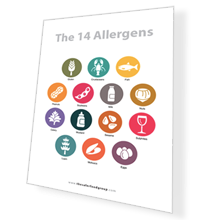
Course handbook, The 14 named allergens poster, Daily cleaning schedule form and Correct hand washing process poster



Do I have to do any other courses first?
You can take the Level 2 Food Safety course without any previous training, as it is designed to be accessible and straightforward for learners who are new to the subject.
Course features
Try our sample chapter - Microbiological hazards

Frequently asked questions
The Level 2 Food Hygiene and Safety for Manufacturing course is priced at £14 + VAT for individual learners. Businesses training multiple team members in production or packaging environments can benefit from reduced rates depending on the number of enrolments.
Learners have 30 days from registration to finish their course and exam. For employers purchasing licences in bulk, each code remains valid for 12 months before activation. Once a code is used, the learner has a 30-day study window to complete their training.
The food hygiene certificate Level 2 for manufacturing usually takes between two and four hours to complete. Learners with prior knowledge of hygiene systems or HACCP principles may complete it more quickly, while newcomers to food production may take longer to review practical examples.
You’ll have as many chances as you need to pass. The test consists of 20 multiple-choice questions, and a score of 16 or higher is required to achieve certification. If you don’t pass on your first attempt, you’ll receive guidance on the topics that need further attention before resitting.
Yes. The Level 2 Food Hygiene and Safety for Manufacturing course is written with input from Environmental Health Officers and meets the UK’s legal standards for training. It ensures production staff, supervisors and line managers can demonstrate competence during inspections or audits.
Manufacturing environments pose different challenges from catering or retail, from managing machinery hygiene to maintaining temperature control and traceability. This course focuses on the skills and responsibilities specific to production lines and factory settings, helping staff prevent contamination and maintain high food safety standards.
Yes, this course replaces the original Basic Food Hygiene certificate. The Level 2 Food Hygiene and Safety for Manufacturing remains the recognised qualification across food production sectors, including meat processing, dairy, dry goods and packaging plants.
Anyone working in the manufacture or processing of food products should complete this training. That includes operatives, supervisors, engineers, production managers and cleaning teams responsible for food contact areas or equipment.
Yes. The online version of the Level 2 Food Hygiene and Safety for Manufacturing provides the same accredited certification as classroom courses, allowing you to train flexibly without interrupting production schedules.
Yes. UK food safety regulations require all staff involved in food manufacture to receive training and/or supervision suitable for their role. Completing this food hygiene certificate Level 2 for manufacturing demonstrates compliance and commitment to safe production standards.
Our awarding bodies
Quality assurance is an important part of Safer Food Group training. We use external experts to review and accredit our courses for academic rigour, fit for purpose, accuracy and currency. This means that you can trust The Safer Food Group to deliver high quality, effective training.

Measured against their global benchmark, City & Guilds validates how The Safer Food Group's plans, designs, maintains and evaluates training programmes. City & Guilds is a trusted academic leader sought by learners, educators, and employers around the world.
All SFG courses carry CPD credits. This means that CPD UK has verified SFG training is of suitable quality and content to count towards Continued Professional Development.