
This food hygiene level 2 for schools course provides essential training for anyone involved in the storage, preparation or service of food within school environments. It covers the material previously taught in what were known as basic food hygiene courses, updated to meet today’s legal and sector requirements. The course combines video lessons, written content and interactive learning, giving you the flexibility to study online at your own pace.
Throughout this training, learners explore food safety legislation, microbiological hazards, contamination risks, allergen management, temperature control, cleaning, waste handling and personal hygiene. Designed specifically for schools, it also includes the free Guide to Food Hygiene in Schools and Colleges, helping staff understand how food safety law applies to educational settings and how to meet the expectations of inspectors and school leadership teams.
Fully accredited by City & Guilds and CPD UK, this course leads to a recognised food hygiene certificate for schools, suitable for school catering teams, lunchtime supervisors, classroom staff and anyone supporting safe mealtime operations.
Course Level: 2 / Intermediate Reference: AFSS2CGA26 Accreditations: City & Guilds, CPD Certificate: Instant PDF download
Get your food hygiene certificate today
What you'll learn
-
 How food safety law applies to school environments
-
How bacteria multiply and cause foodborne illness
-
Risks from physical, chemical and allergenic hazards
-
Safe temperature control for cooking, storage and serving
-
Correct storage, labelling and traceability in schools
-
Personal hygiene standards and illness reporting
-
Safe cleaning, disinfection and pest control
-
Core HACCP principles for school catering settings
Who should take this course
This Level 2 course is suitable for:
- School catering teams and supervisors
- Classroom staff involved in food service
- Lunchtime and mealtime assistants
- After-school club and breakfast club teams
- Anyone handling food in an educational environment
The Level 2 Food Hygiene course was previously known as Basic food hygiene or Safer food handler.
Course overview
The Level 2 Award in Food Safety in Catering for Schools provides a clear, practical introduction to the food safety responsibilities of school staff. Learners explore the legislative requirements for educational settings, the microbiological risks that affect pupils, and the controls required to maintain safe food service across classrooms, dining halls and school kitchens.
This chapter explains the link between contamination and food poisoning and shows how unsafe practices cause food to become harmful. Learners explore different types of contamination and the meaning of contamination, cross-contamination and vehicles of contamination. The chapter also highlights common mistakes found in food premises, the symptoms of food poisoning and the impact illness can have on the body. Particular attention is given to vulnerable groups who face a higher risk of severe foodborne illness.
This chapter outlines the basic legal responsibilities of food business operators and food handlers working in the UK. It explains the legal consequences of failing to follow food safety and food labelling law and introduces the principle of Due Diligence and its importance in protecting both businesses and individuals. Learners also examine the role, responsibilities and powers of Environmental Health Officers when inspecting premises and enforcing legislation.
This chapter explores the microbiological threats that can compromise food safety, including harmful bacteria and viruses. Learners examine the different types of bacteria such as helpful, spoilage and pathogenic bacteria and the conditions that encourage or interrupt their multiplication. The chapter explains the concept of the danger zone, the risks associated with bacterial spores and toxins and the characteristics of high-risk and low-risk foods. Learners also consider the consequences of failing to prevent contamination or bacterial growth.
This chapter focuses on identifying physical, chemical and allergenic hazards and the control measures needed to reduce their risks. Learners explore how physical objects, cleaning chemicals and allergenic ingredients can contaminate food and the consequences of failing to manage these hazards. The chapter also explains the significant threat allergenic ingredients pose to allergy and intolerance sufferers and provides examples of controls that can limit this risk.
This chapter introduces the importance of documented policies and risk-assessed processes in maintaining food safety. Learners explore the purpose, function and legal basis of HACCP and consider how food handlers contribute to a successful food safety management system. The chpater also highlights the importance of record keeping and the types of documentation typically required to demonstrate effective control and compliance.
This chapter describes the basic facilities required to prepare food safely and the importance of separating storage, preparation and food tasks to prevent contamination. Learners examine how poor cleaning standards affect food safety and learn approved approaches to cleaning and disinfection, including the use of documented cleaning schedules. The module also covers waste storage and disposal, how to identify signs of pest infestation and the actions required to prevent pests and maintain hygiene.
This chapter explains how and why food spoilage occurs and the importance of effective preservation and storage methods. Learners explore techniques such as extreme temperatures and maintaining the cold chain and investigate the conditions required to store low and high-risk foods safely. The chapter also covers the correct interpretation and use of date marks, including manufacturers’ dates and in-house labels, to ensure food remains safe to use.
This chapter focuses on maintaining high personal hygiene standards in the preparation of food. It identifies suitable protective clothing and explains the risks associated with jewellery, strong scents and personal items in food areas. Learners study best-practice handwashing techniques, understand when handwashing should take place and recognise the importance of reporting illness. The chapter also highlights the need for professionalism and proactive behaviour in upholding food safety.
This chapter examines the critical role temperature control plays in keeping food safe. Learners understand the consequences of failing to maintain minimum and maximum temperatures and explore safe times and temperatures for refrigeration, cooking, reheating and hot holding. The chapter explains when and how to use a probe thermometer to check food temperatures accurately and maintain compliance.
This chapter introduces learners to HACCP principles and the documentation required to demonstrate due diligence. It explains how critical control points are identified and monitored and how food handlers support the wider management system designed to uphold food safety laws and protect consumers.
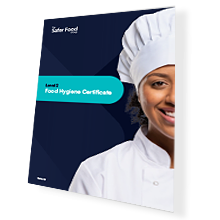
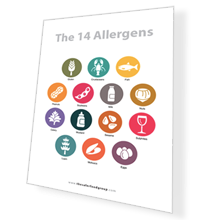
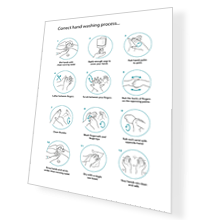
Level 2 Food hygiene course handbook, The 14 named allergens poster, Daily cleaning schedule form and Correct hand washing process poster

Do I have to do any other courses first?
You can take the Level 2 Food Safety course without any previous training, as it is designed to be accessible and straightforward for learners who are new to the subject.
Course features
Try our sample chapter - Microbiological hazards

Frequently asked questions
The food hygiene level 2 for schools course costs £14 + VAT for individual learners. Schools or catering companies enrolling multiple staff can access discounted pricing based on group size.
Each learner has 30 days from registration to complete the course and exam. Schools purchasing multiple licences can assign them over 12 months, with each user’s 30-day window starting upon registration. Extensions can be arranged if needed.
The food safety training for schools course takes around two to four hours to complete, depending on prior experience. Each chapter includes a short study time to ensure key food hygiene principles are properly understood before taking the assessment.
You can retake the exam as many times as needed. It includes 20 multiple-choice questions, and you’ll need 16 correct answers to pass. Feedback is provided after each attempt so you can focus on the areas that need improvement.
Yes. The level 2 food hygiene for schools course meets all UK legal training requirements and is designed in collaboration with Environmental Health Officers. Completing it ensures staff are appropriately trained for food preparation and handling in education environments.
This course offers flexible, accessible training designed around busy school schedules. With video-based instruction, interactive tasks and relevant examples, it supports both new and experienced staff in achieving compliance and confidence in food safety.
Yes. The level 2 food hygiene and safety for retail course replaces the old Basic Food Hygiene certificate and remains the recognised qualification for anyone selling or handling open food in retail.
The food hygiene certificate level 2 for retail is ideal for supermarket staff, deli and bakery workers, butchers, market traders, convenience store employees, and anyone involved in retail food handling.
Yes. The online food hygiene certificate for schools offers the same accreditation as classroom-based training, making it a convenient option for busy education staff.
Yes. All staff involved in food preparation or service must receive training or supervision appropriate to their role. Completing this level 2 food hygiene for schools course ensures compliance with legal standards and best practice in school catering.
Our awarding bodies
Quality assurance is an important part of Safer Food Group training. We use external experts to review and accredit our courses for academic rigour, fit for purpose, accuracy and currency. This means that you can trust The Safer Food Group to deliver high quality, effective training.

Measured against their global benchmark, City & Guilds validates how The Safer Food Group's plans, designs, maintains and evaluates training programmes. City & Guilds is a trusted academic leader sought by learners, educators, and employers around the world.
All SFG courses carry CPD credits. This means that CPD UK has verified SFG training is of suitable quality and content to count towards Continued Professional Development.