
This food safety training for health and care workers provides essential skills for managing food hygiene and safe food handling in high-risk environments. The course examines critical food safety, including how to prevent cross-contamination, manage food allergies, and stop the spread of foodborne illnesses. As well as practical considerations including handwashing and the correct use of PPE, the course highlights the importance of nutrition and hydration in patient wellbeing and recovery. By understanding their role in upholding patient safety and dignity, workers contribute to creating better outcomes for people in their care.
Course Level: Intermediate Reference: AFSS2TSFG26 Accreditations: City & Guilds, CPD Certificate: Instant PDF download
Get your food safety knowledge today
What you'll learn
-
 How food supports dignity, wellbeing and recovery, and the importance of advocacy and accountability in care settings.
-
The importance of personal hygiene standards, effective handwashing, correct use of PPE and the importance of being fit for work to prevent the spread of infection.
-
Food safety threats, including food poisoning bacteria, how they grow and spread, and the risks posed by chemical, physical and allergenic hazards, particularly for vulnerable individuals.
-
How to keep food safe by using practical control measures such as prevention of contamination, effective cleaning and temperature control.
-
How to apply food safety principles in care settings, including working with care plans, preparing food safely, serving food correctly and recognising when to act or report concerns.
Who should take this course
This unit is suitable for all frontline staff supporting food and drink in care environments, including:
- Healthcare assistants
- Care workers
- Support workers
- Ward staff
- Community carers
- Hospice workers
- Volunteers involved in food service
Course overview
The Food Service Safety for Health and Care Workers unit provides a practical understanding of safe food handling within health and care environments, where individuals may be vulnerable and reliant on others to keep food safe.
Learners explore how food can cause harm, including food poisoning, contamination and allergenic risks, and how these risks are increased in care settings. The unit explains how harmful bacteria grow, how contamination occurs, and how everyday actions influence food safety outcomes.
The course places strong emphasis on the role of the individual within the care process. Learners develop an understanding of dignity, nutrition and hydration, and how supporting food and drink contributes to wellbeing and recovery. The importance of personal hygiene, correct use of PPE, fitness for work and effective cleaning practices is reinforced throughout.
Practical application is central to the unit. Learners are guided through how to work safely with care plans, prepare and serve food correctly, and recognise when something is not right. The unit introduces advocacy and accountability, ensuring learners understand their responsibility to act and report concerns where necessary.
By the end of the unit, learners will understand how their actions directly affect the safety, dignity and wellbeing of the individuals they support.
Explores the role of food in supporting dignity, wellbeing and recovery. Covers nutrition, hydration, vulnerability and the importance of advocacy and accountability in care settings.
Explains personal hygiene standards, effective handwashing, correct use of PPE and the importance of being fit for work to prevent the spread of infection.
Introduces food poisoning bacteria, how they grow and spread, and the risks posed by chemical, physical and allergenic hazards, particularly for vulnerable individuals.
Covers practical control measures including preventing contamination, effective cleaning and temperature control to reduce food safety risks.
Focuses on applying food safety principles in care settings, including working with care plans, preparing food safely, serving food correctly and recognising when to act or report concerns.
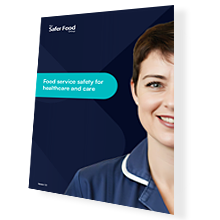
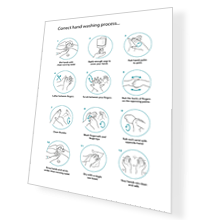
Course handbook and Correct hand washing process poster
Course features
Try our sample chapter - Food, care and responsibility
Frequently asked questions
Individual learners have 30 days from registration to complete the course and exam. Business buyers have 12 months to allocate course codes, with each learner receiving 30 days of access from activation. Extensions can usually be arranged on request.
Most learners complete the course in two hours, depending on experience. A minimum study period applies before the exam unlocks to support understanding.
You’ll receive unlimited free exam retakes. The exam has 20 multiple-choice questions and the pass mark is 16 out of 20. If you don’t pass on the first attempt, you’ll receive guidance on which topics to review.
We recommend that training is renewed every three years, although some employers or local authorities may request training more frequently.
Level 2 Food Hygiene training focuses solely on food safety practice, equipping learners with the skills and knowledge to prepare, produce and serve safe food. Food Service Safety for Health and Care teaches basic knowledge required for simple food prep tasks, as well as looking at the broader context of delivering and serving food in a health or care setting.It is strongly recommended that learners with a significant role in food preparation study Level 2 Food Safety.
Yes - the course incorporates food safety guidance from both the FSA and FSS, making it suitable for learners in all UK nations.
No - but this course may be a good foundation to the Level 2 Food Safety course if you decide you would like to take a more food focussed role in future.
Our awarding bodies
Quality assurance is an important part of Safer Food Group training. We use external experts to review and accredit our courses for academic rigour, fit for purpose, accuracy and currency. This means that you can trust The Safer Food Group to deliver high quality, effective training.

Measured against their global benchmark, City & Guilds validates how The Safer Food Group's plans, designs, maintains and evaluates training programmes. City & Guilds is a trusted academic leader sought by learners, educators, and employers around the world.

All SFG courses carry CPD credits. This means that CPD UK has verified SFG training is of suitable quality and content to count towards Continued Professional Development.