Risks posed by food allergens are present throughout a school setting - not just in the canteen. A whole school approach, as advocated by ‘Benedict's Law’, is required to keep all children safe from the risks of food allergies.
Build vigilance and confidence throughout your staff team with this Allergy Awareness for Schools course. By understanding where risks occur and how to minimise them, your team will be able to contribute to maintaining safe practices and a safe environment. A thorough knowledge of the causes, symptoms and emergency actions will equip them with the confidence to act swiftly, calmly and appropriately during an allergy incident.
This online allergy awareness course follows the training requirements specified in the Allergy Safety in schools statutory guidance, published by UK Government in July 2026. It is suitable for all employees and volunteers in a school setting, including teachers, teaching and learning assistants, lunchtime supervisors, support and management team and school volunteers. Learners can study at their own pace, test their understanding through activities and tests throughout, and gain your City & Guilds assured, CPD accredited certificate on completion.
Course Level: Intermediate Reference: AAASS2TSFG26 Accreditations: City & Guilds, CPD Certificate: Instant PDF download
Get your schools allergy awareness training today
What you'll learn
-
 Why food allergies can cause serious harm and require appropriate management
-
How to Identify allergenic ingredients and where exposure risks may arise in practice
-
How healthcare plans, allergy action plans and communication support safe decisions
-
How consistent systems and staff actions reduce allergy risk
-
How allergic reactions may present and why rapid response is important
-
How to respond appropriately to allergenic emergencies in line with procedures
Who should take this course
This allergy awareness course is suitable for anyone working in a school environment who has contact with children and young people
- Teachers and teaching and learning assistants
- Lunchtime supervisory staff
- Support and leadership team
- School volunteers
- Temporary or agency staff working in schools
- Staff involved in food handling, supervision or classroom activities involving food
We would recommend that anyone with a role involving significant food preparation undertakes a Level 2 Allergy Awareness (Catering) course.
Course overview
This course provides awareness-level knowledge of how food allergy risks arise and are managed within school environments. Learners explore how allergy risks are present throughout the school environment, including within classrooms, dining areas, on trips and in other shared locations. The unit explains how small missed checks, assumptions or failures in communication can contribute to serious allergic incidents, and how consistent everyday actions help reduce risk.
The unit introduces the legal, safeguarding and operational responsibilities that underpin allergy safety in schools, including the use of healthcare plans, allergy action plans and whole-school approaches to risk management. Learners also explore allergenic ingredients, cross-contamination, safe food service, recognising allergic reactions and responding appropriately during allergenic emergencies.
The emphasis throughout is on practical awareness, vigilance and safe decision-making within real school situations. By the end of the unit, learners will understand how their actions contribute to keeping pupils with allergies safe and how to respond appropriately when concerns or emergencies arise.
This chapter considers the presence of allergens throughout the school environment and explains why allergy safety is a whole-school responsibility rather than a kitchen-only issue. It highlights how failures in communication and delayed response can lead to fatal consequences. Finally, it outlines the vital role of all school staff in safeguarding children and young people.
This chapter outlines the legal and safeguarding regulations that make food allergy safety a mandatory, school-wide responsibility. It explains how medical documents like IHPs and AAPs are used, and highlights the additional challenge of undiagnosed allergies. It also covers the practical, day-to-day responsibilities that enable staff to support children with allergies effectively.
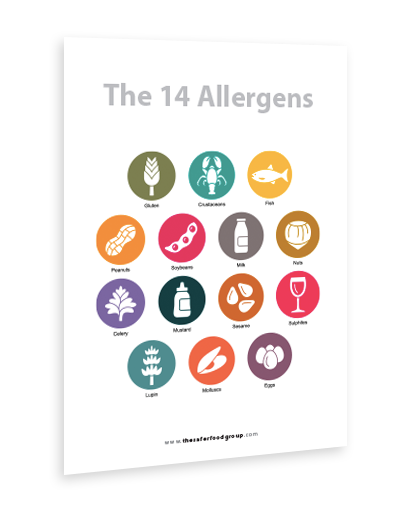
This chapter explains the critical differences between food allergies, intolerances, and coeliac disease and what practical support looks like for children with these conditions. It introduces the 14 listed food allergens and explains where these, and other allergens, may be present. It also highlights that allergens are likely to be present throughout the school environment, not just in the canteen.
This chapter looks at the risk of allergen cross contamination through shared surfaces, unwashed hands, and everyday school objects. It highlights the specific challenges of foods brought into the school by pupils. Finally, it outlines simple actions that eliminate these risks, including proper handwashing, dedicated utensils, allergen-safe cleaning, and strict "no food sharing" rules.
This chapter explores the practical systems used to prevent allergen incidents in schools. It explains how effective cleaning helps reduce the risk of allergen cross-contamination, how consistent checking processes can help prevent mistakes when food is prepared or served, and how a school allergy safety policy supports all staff in working together to keep pupils with allergies safe.
This chapter contrasts a safe, well-communicated meal service with a rushed, worst-case scenario to show how easily a series of small, missed checks can become fatal. It teaches the signs and symptoms of allergic reactions and anaphylactic shock, and highlights the need for rapid response. Finally, it details a clear, 6-step response to anaphylaxis, giving the learner a definitive emergency action plan.
This chapter provides role-specific self-assessment questionnaires designed for lunchtime supervisors, classroom teachers, and temporary volunteers to evaluate their own allergy safety habits. It systematically tests staff on daily compliance measures, such as tracking student medical plans, preventing cross-contamination, and banning food swapping among pupils. Ultimately, it teaches staff how to identify gaps in their own knowledge, ensuring everyone on-site can confidently locate emergency medication and immediately initiate life-saving protocols.
14 allergens poster
Do I have to do any other courses first?
There are no entry requirements for this course.
Course features
Try our sample chapter - Food allergy safety in Schools

Allergy Safety in schools: Training requirements
Allergy Safety in schools statutory guidance, issued by the UK Government in July 2026, details how local authority-maintained schools, academies and pupil referral units should fulfil their statutory duty to put allergy safety policies in place.
| Government criteria | Our Training |
|---|---|
| Have an awareness of allergy, the risks it poses, how allergic reactions can occur and how to manage it; | ✔ |
| Understand that allergy includes multiple conditions (food allergy, asthma, eczema, hay fever, others), which can co-exist. | ✔ |
| Understand the difference between food allergy, coeliac disease and food intolerance. | ✔ |
| Know where to find information on allergy triggers. | ✔ |
| Can identify the range of symptoms of allergic reactions. | ✔ |
| Understand and can recognise anaphylaxis. | ✔ |
Know how to respond in an emergency, including:
|
✔ |
| Understand the impact allergy can have on a child or young person’s wellbeing. | ✔ |
| Understand the school, college or setting’s allergy safety policy. | ✔ |
| Know how to check whether an individual is on the record of those with known allergy and how to use an Allergy or Asthma Action Plan. | ✔ |
| Understand their responsibilities in reducing the risk of individuals with known allergy coming into contact with their known allergens. | ✔ |
| Understand how to report an allergic reaction or case of anaphylaxis (whether an incident or a “near miss”). | ✔ |
Frequently asked questions
Yes - this course covers the training requirements set out by the UK Government in their statutory guidance to schools, published July 2026.
These requirements state that learners should:
- Have an awareness of allergy, the risks it poses, how allergic reactions can occur and how to manage it;
- Understand that allergy includes multiple conditions (food allergy, asthma, eczema, hay fever, others), which can co-exist;
- Understand the difference between food allergy, coeliac disease and food intolerance;
- Know where to find information on allergy triggers;
- Can identify the range of symptoms of allergic reactions;
- Understand and can recognise anaphylaxis;
- Know how to respond in an emergency, including: calling emergency services and informing parents; how to locate and administer emergency medication (adrenaline for anaphylaxis, asthma reliever inhaler for an asthma attack). training on how to use the medication/device in an emergency (whether prescribed to a given person or a school’s “spare” adrenaline devices);
- Understand the impact allergy can have on a child or young person’s wellbeing;
- Understand the school, college or setting’s allergy safety policy;*
- Know how to check whether an individual is on the record of those with known allergy and how to use an Allergy or Asthma Action Plan;*
- Understand their responsibilities in reducing the risk of individuals with known allergy coming into contact with their known allergens;*
- Understand how to report an allergic reaction or case of anaphylaxis (whether an incident or a “near miss”).*
*these subjects are discussed within the training and learners are directed to investigate, understand and apply policies in existence within their own settings.
No, the statutory guidance issued by UK government in July 2026 does not specify that face-to-face training is required. It does however state the requirement for training on how to use the medication/device in an emergency. This is covered in chapter 6 of this course, and further specific guidance on how to administer an adrenaline auto-injector are in our ‘Free resources’ area.
The ‘Allergy safety in schools’ statutory guidance states that allergy awareness training in schools should be repeated annually.
The Allergy awareness (Schools) course takes around 2-3 hours to complete. You can study at your own pace and return whenever you like.
No. This is an awareness-level CPD accredited course, not a regulated qualification.
This online allergy awareness course is suitable for all employees and volunteers in a school setting, including teachers, teaching and learning assistants, lunchtime supervisors, support and management team and school volunteers. It is useful for anyone who works directly with children and young people.
Additionally, the Allergy safety in schools guidance states: All staff present during times when pupils are scheduled to be on site should receive allergy awareness training. This includes permanent staff, temporary staff, supply teachers, peripatetic staff, agency workers and regular volunteers. It includes catering staff and others who may oversee children and young people at breakfast or after school clubs. It is not intended to include contractors carrying out work with no pupil-facing role such as builders, electricians or other ad hoc maintenance personnel.
No formal entry requirements. Level 1 English literacy is recommended for all learners.
Yes. A digital CPD certificate is available for immediate download after passing the online exam.
Yes. The allergy awareness course includes free exam retakes so you can try again at no extra cost.
- Children and Families Act 2014
- Supporting Pupils at School with Medical Conditions
- Keeping Children Safe in Education
- Food Safety Act 1990
- Food Information Regulations 2014
- Natasha’s Law
- Benedict’s Law (developing guidance and policy expectations)
- Allergy safety in schools - Statutory guidance for governing bodies of maintained schools and proprietors of academies in England (DfE July 2026)
No - we recommend that anyone with a significant role in food production and preparation undertakes a Level 2 Allergy Awareness (catering) course.
Course content is delivered wholly online and can be studied individually or presented as part of a group training session. Delivery methodology includes introductory videos for each chapter, content to be read (plus audio alternative), and interactive learner activities that can be undertaken individually or used to encourage group interaction and / or discussion. In order to undertake the exam, each learner will require an individual course code, and will need to undertake minimum learning time within each chapter so will need some computer access.
This course would fit suitably within a structured learning day that also introduced a setting’s specific allergy / healthcare policies and procedures and provided first aid instruction.
Our awarding bodies
Quality assurance is an important part of Safer Food Group training. We use external experts to review and accredit our courses for academic rigour, fit for purpose, accuracy and currency. This means that you can trust The Safer Food Group to deliver high quality, effective training.

Measured against their global benchmark, City & Guilds validates how The Safer Food Group's plans, designs, maintains and evaluates training programmes. City & Guilds is a trusted academic leader sought by learners, educators, and employers around the world.
All SFG courses carry CPD credits. This means that CPD UK has verified SFG training is of suitable quality and content to count towards Continued Professional Development.